




-150x150h.jpg)
Rainwater tanks
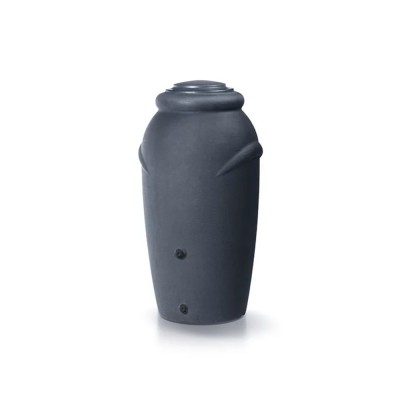
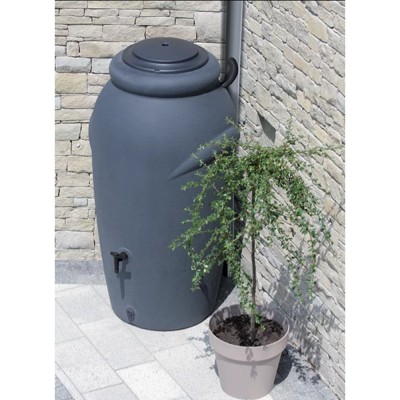

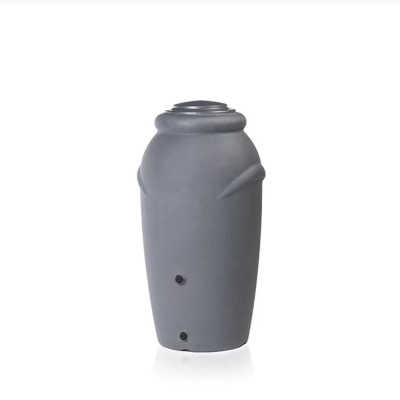
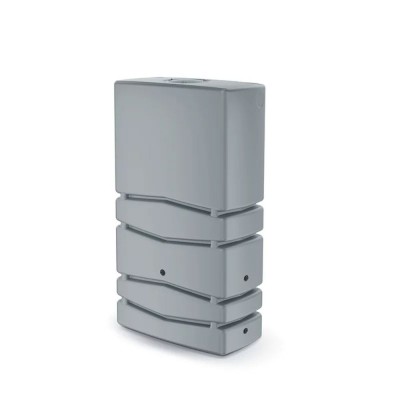
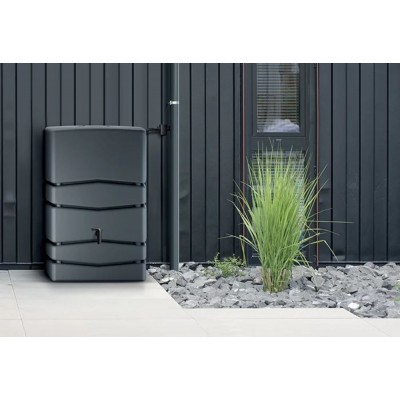
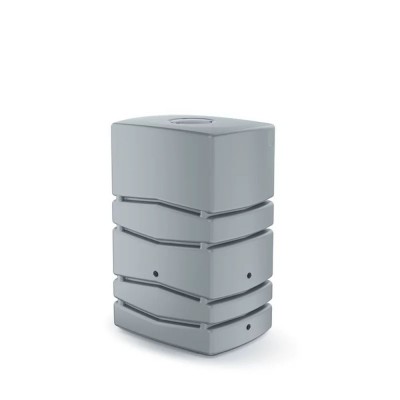
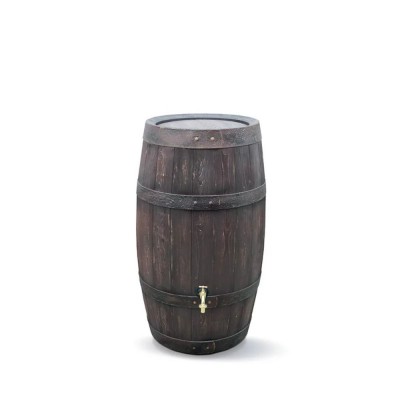
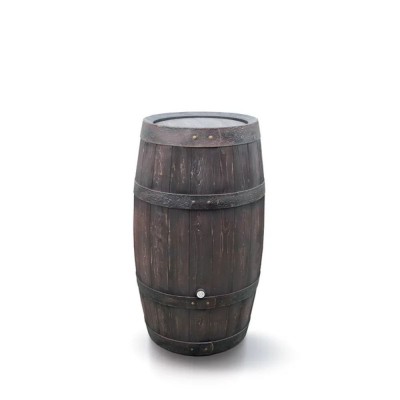
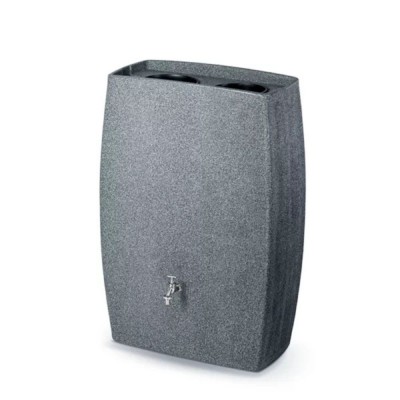
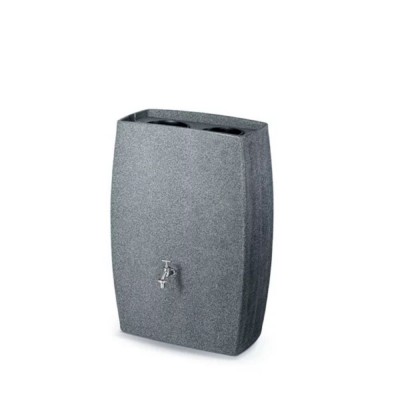
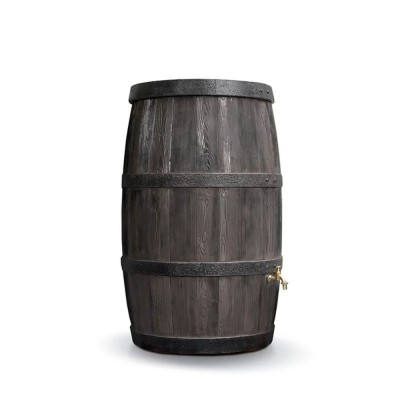
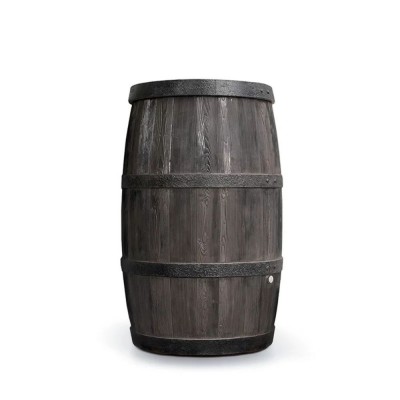




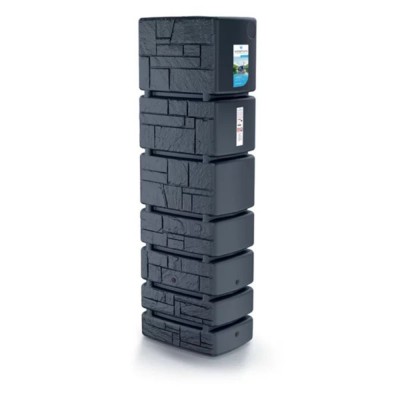

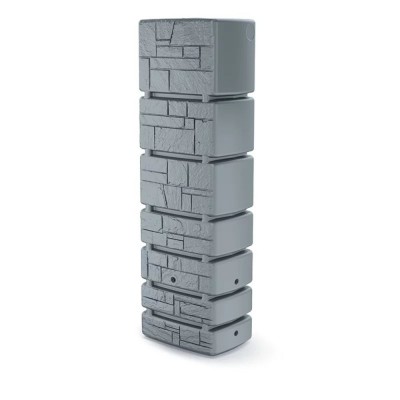
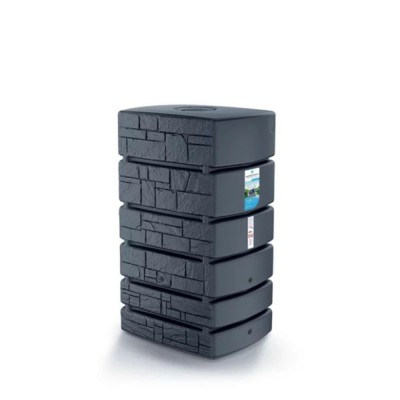


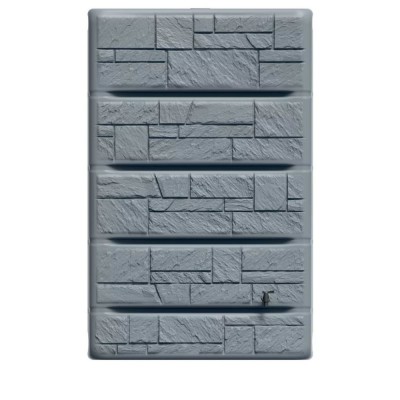
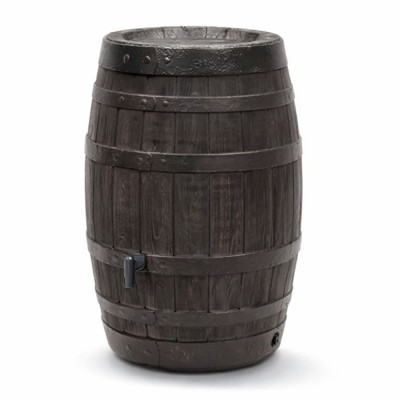
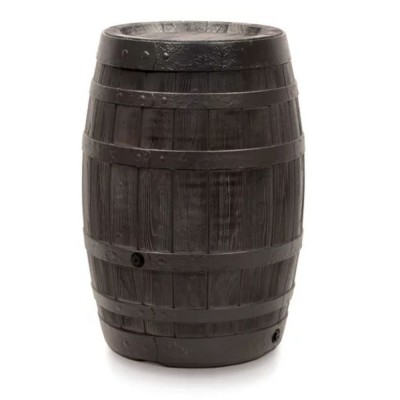
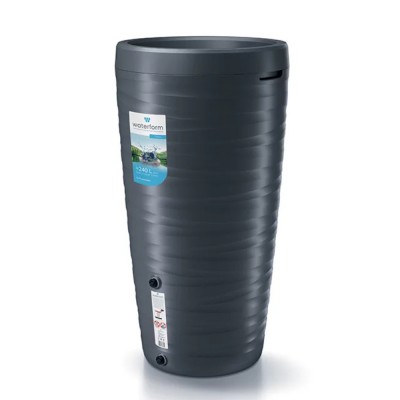
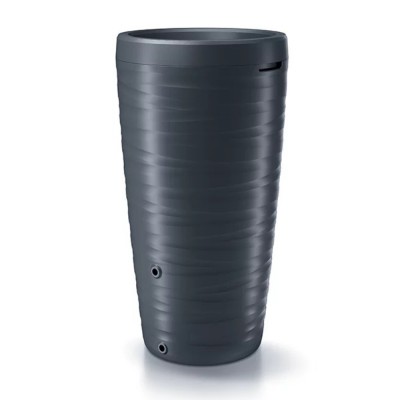

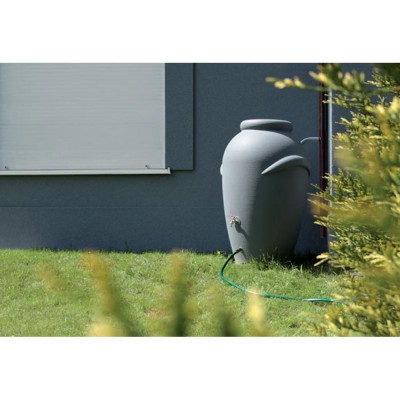
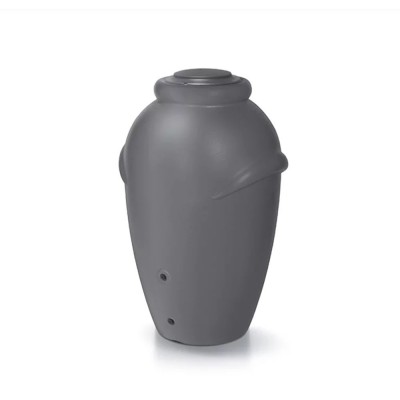
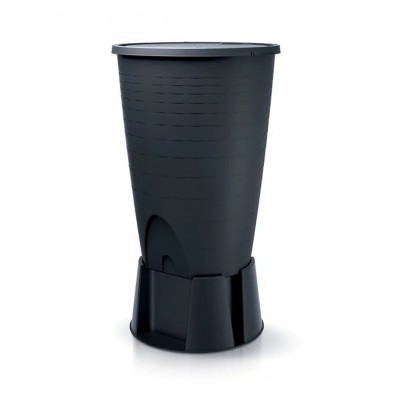
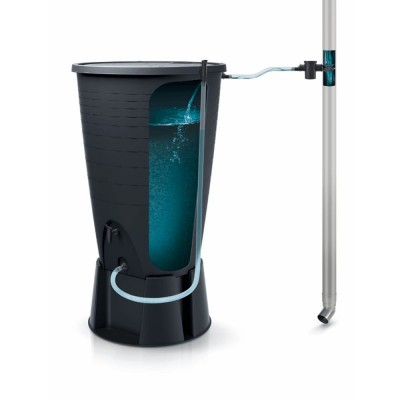
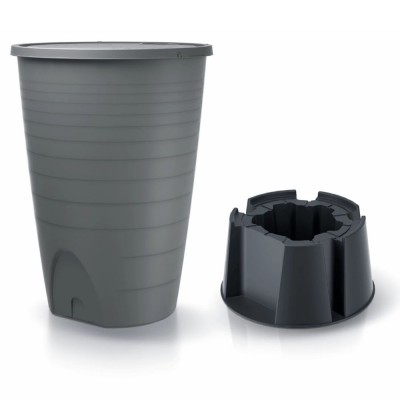
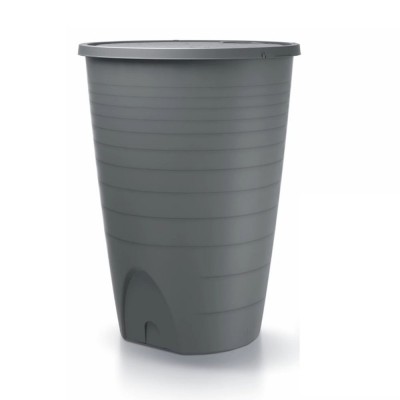
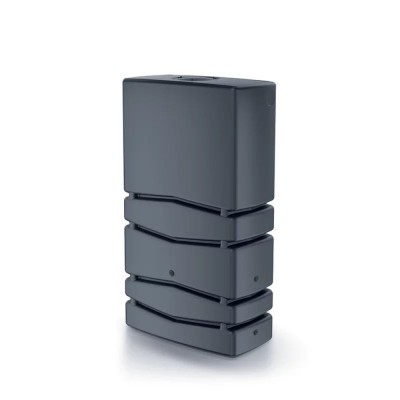
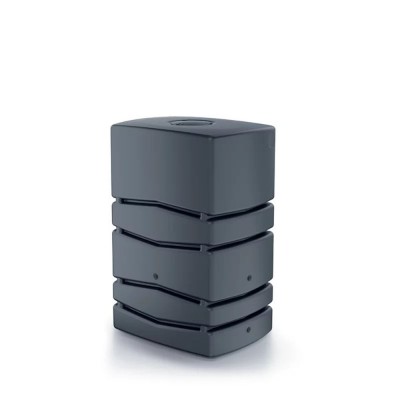
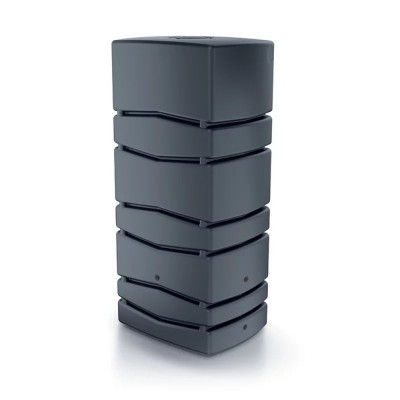

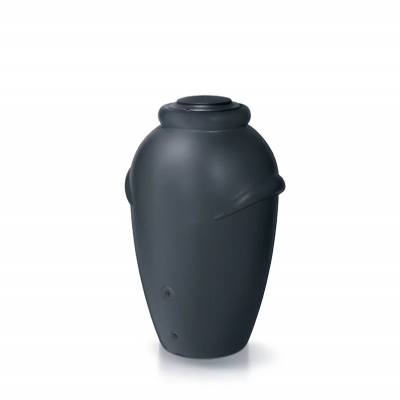
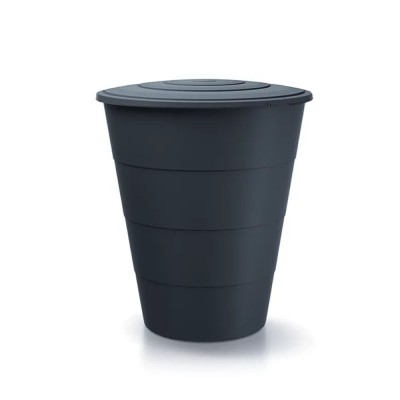
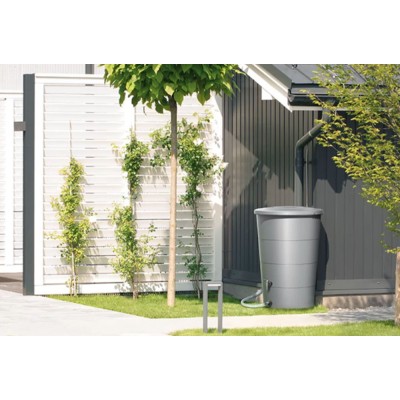


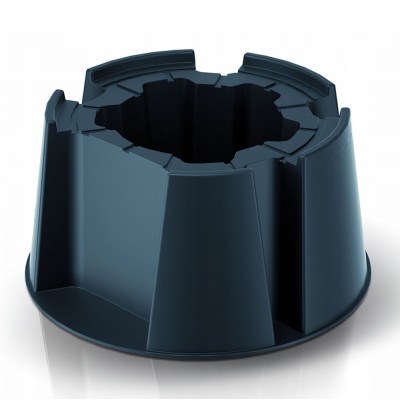
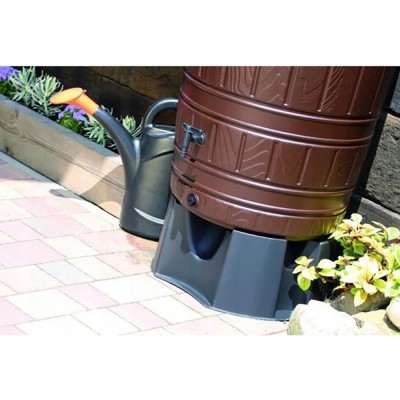
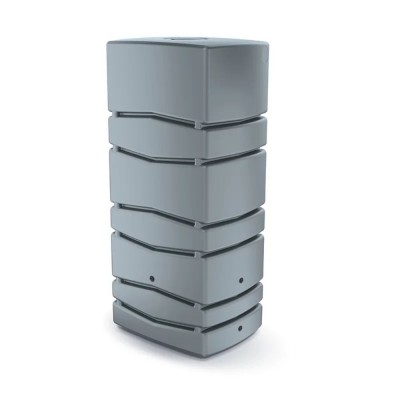




Rainwater Tanks – a Sustainable Solution for Savings and Independence
Rainwater tanks are a long-term investment that combines economic efficiency with environmental responsibility. With rising water prices and increasingly frequent periods of drought, collecting and reusing rainwater is becoming a smart and practical choice for households, farms, and businesses. A properly designed system allows optimal use of this natural resource without compromising convenience.
What Are Rainwater Tanks?
Rainwater tanks are specialized containers designed to collect rainfall via roof structures, gutters, and downpipes. They provide safe and controlled storage of water until it is needed. Depending on the system configuration, the water may pass through various rainwater filters that remove leaves, dust, and other contaminants before entering the rainwater tank.
Collected rainwater is suitable for a wide range of applications – from garden irrigation to technical and household needs, making it an extremely flexible resource.
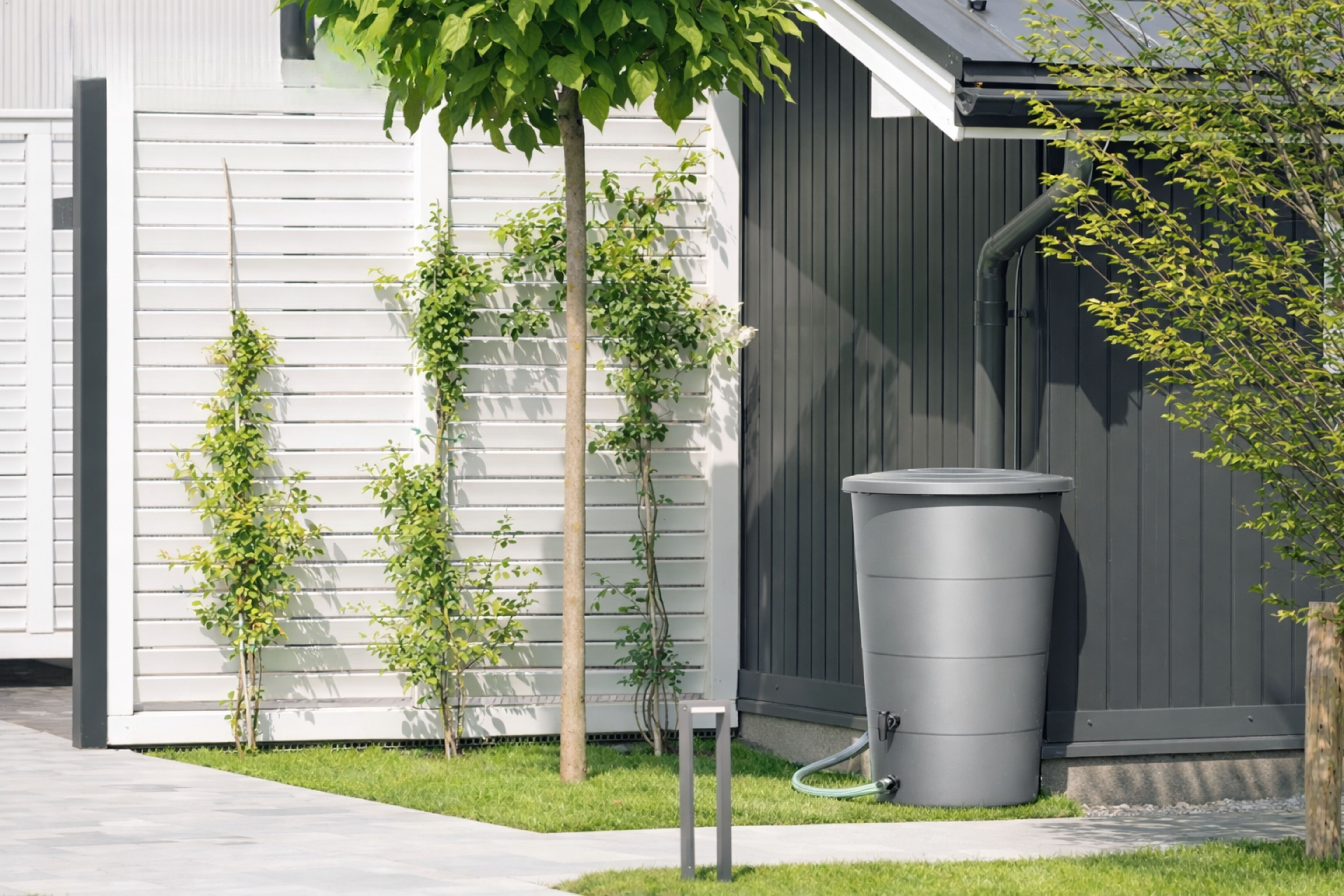
Applications of Rainwater Tanks
Irrigation of Gardens and Green Areas
Rainwater is naturally soft and free of chlorine, making it ideal for plants, lawns, greenhouses, and decorative gardens. Its use leads to healthier plants and better irrigation results.
Washing Vehicles and Outdoor Surfaces
Collected water can be successfully used for washing cars, driveways, terraces, and facades, thus saving a significant amount of drinking water.
Technical and Household Uses
With proper filtration and a suitable distribution system, rainwater can be used for toilet flushing, cleaning, and other non-potable applications in the home or office.
Agriculture and Irrigation
In agriculture, rainwater tanks are a reliable source for crop irrigation, especially during periods of drought. They enable better planning and sustainable management of water resources.
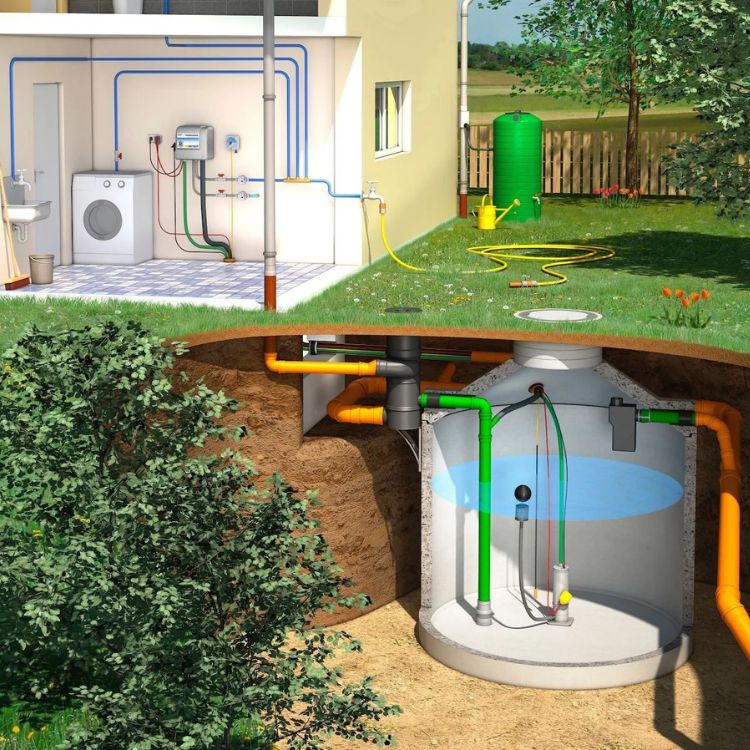
Types of Rainwater Tanks
Above-Ground Rainwater Tanks
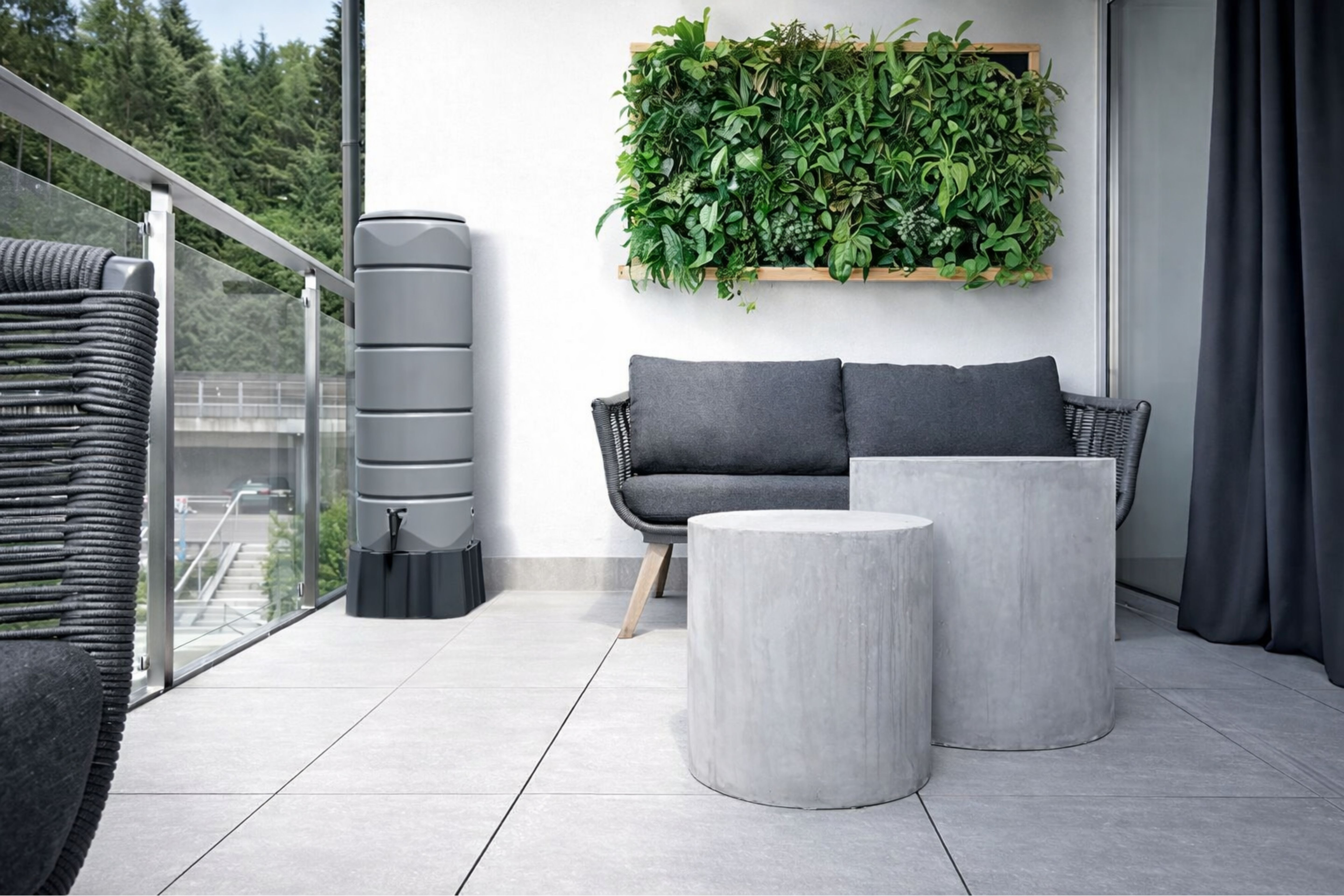
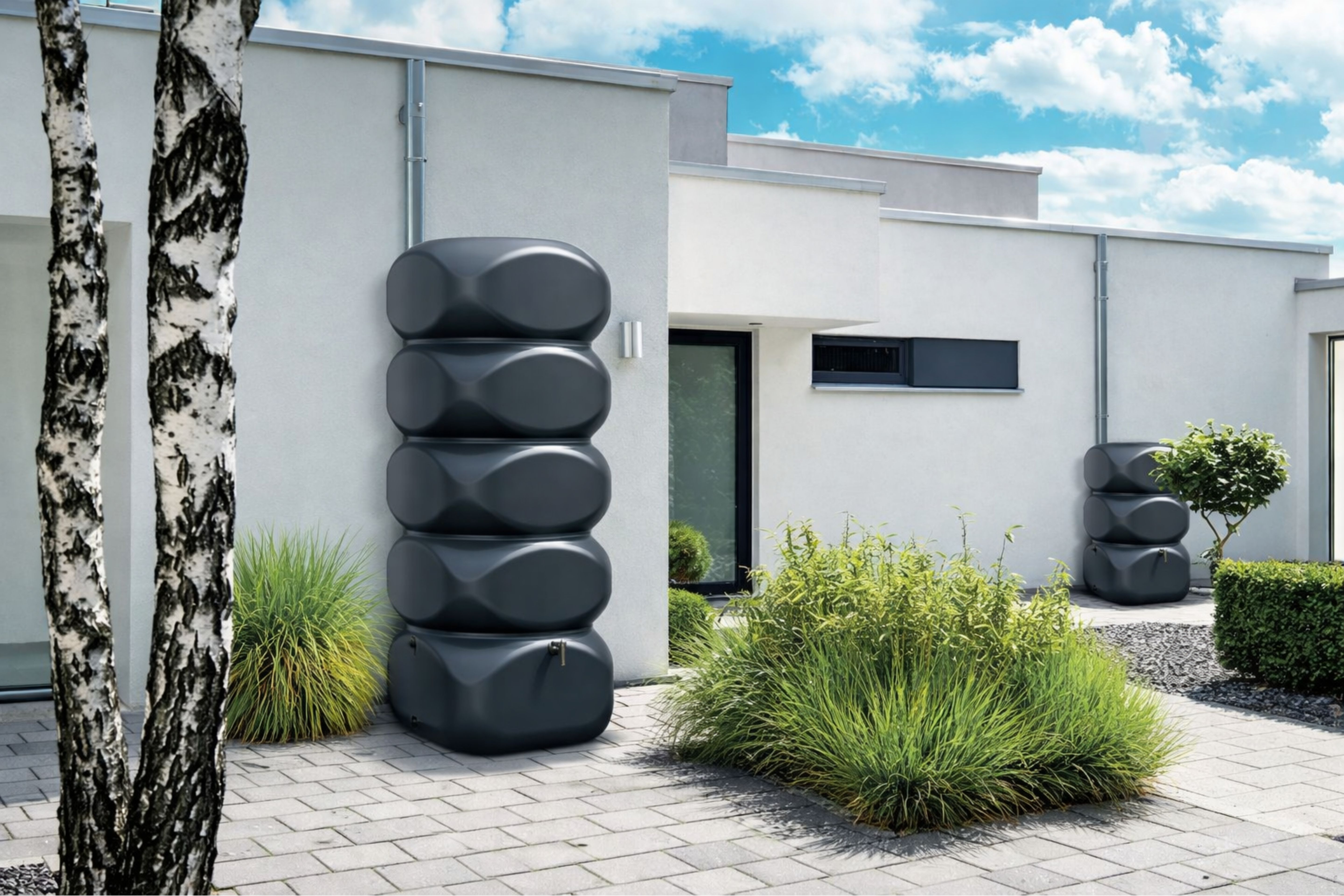
Above-ground rainwater tanks are easy to install and do not require excavation work. They are suitable for small to medium volumes and are often used in private properties. They allow easy access for cleaning and maintenance and can be equipped with taps, hoses, and pumps.
Underground Rainwater Tanks
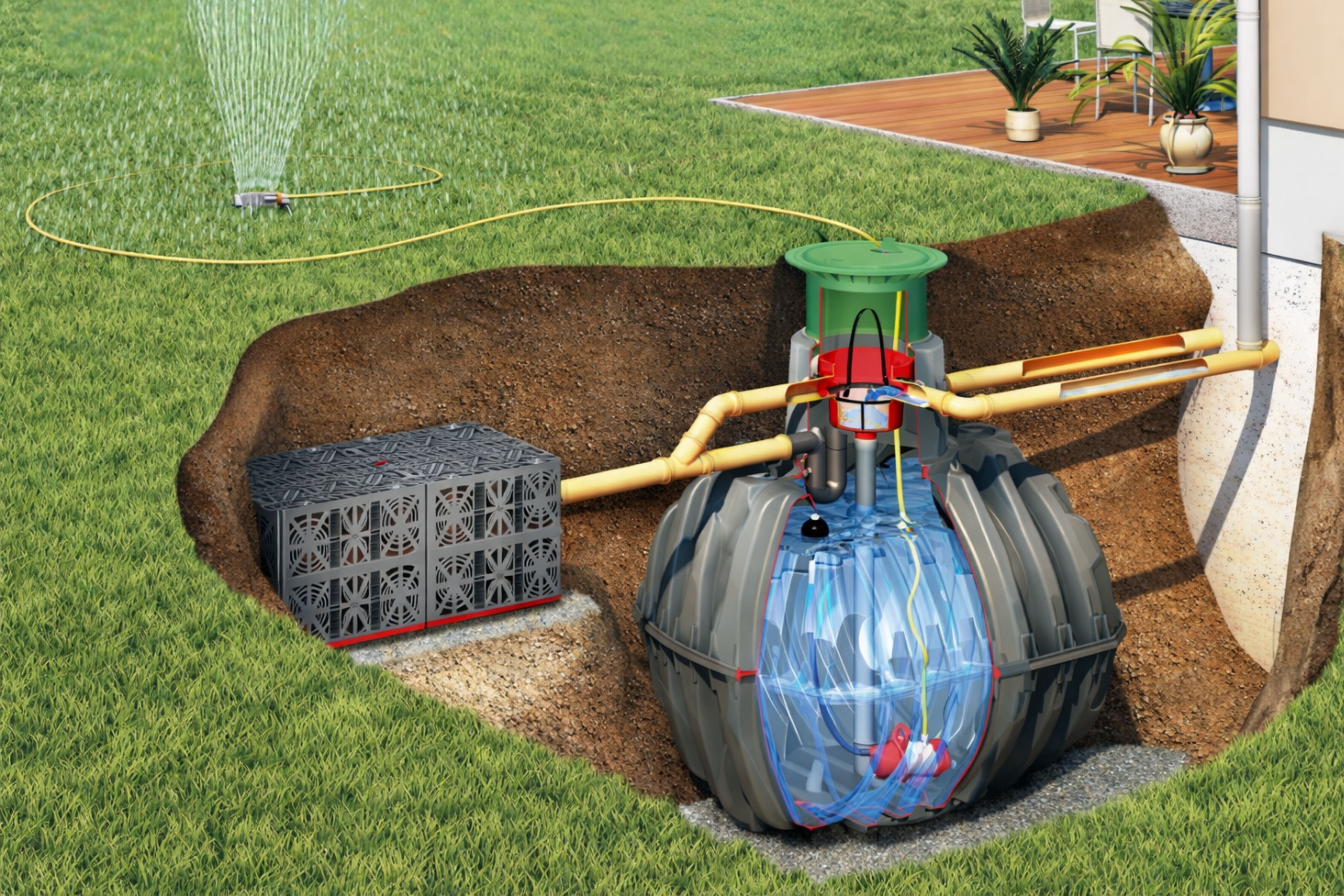
Underground rainwater tanks are the optimal solution when larger capacity is required and when an aesthetic and discreet option is preferred. They do not occupy visible space and maintain a constant water temperature, which limits the development of algae and bacteria.
Plastic and Polyethylene Tanks
Plastic rainwater tanks are extremely popular due to their durability, low weight, and long service life. Polyethylene does not corrode, does not alter the properties of the water, and is resistant to UV rays and weather conditions.
How to Choose the Right Rainwater Tank?
Determining the Required Capacity
The choice of capacity depends on roof area, average annual rainfall, and the intended use of the water. Smaller rainwater tanks are often sufficient for garden irrigation, while larger systems are recommended for household and agricultural needs.
Installation Location
It is important to assess whether you have space for an above-ground rainwater tank or whether an underground solution is more suitable. This will also determine the type of installation work required.
Material and Durability
High-quality material guarantees long-term use without leaks or deformation. Tanks with high mechanical strength and resistance to external factors are recommended.
Compatibility with Accessories
It is advisable for the rainwater tank to allow the installation of filters, pumps, level indicators, and overflow systems, which significantly facilitates water management.
Advantages of Using Rainwater Tanks
Using rainwater tanks leads to a real reduction in monthly water costs and provides greater independence from the central water supply. It is an environmentally friendly solution that reduces the load on the sewer system and contributes to a more sustainable lifestyle. Modern rainwater tanks require minimal maintenance and offer a long service life.
Why Choose Our Rainwater Tanks?
BalkanEnergy.NET offer high-quality rainwater tanks that meet modern requirements for efficiency, safety, and reliability. Each model is carefully selected to ensure an optimal balance between price, capacity, and durability. Our team is available to advise you on your choice and to propose a solution tailored to your specific needs.
Frequently Asked Questions About Rainwater Tanks
What Is a Rainwater Tank?
A rainwater tank is a specialized container designed to collect and store rainfall that enters through roofs, gutters, and downpipes. The collected water can be used for various household, garden, and technical purposes.
What Can Rainwater Be Used For?
Rainwater is most commonly used for watering gardens and green areas, washing vehicles, cleaning outdoor surfaces, agricultural irrigation, and technical uses such as toilet flushing.
Is Rainwater Safe for Household Use?
Rainwater is not intended for drinking without additional treatment. However, with proper filtration and an appropriate system, it is completely safe for non-potable household applications.
What Capacity Rainwater Tank Do I Need?
The required capacity depends on roof area, rainfall levels in your region, and how the water will be used. Smaller tanks are often sufficient for garden irrigation, while larger capacities are recommended for household and agricultural needs.
What Is the Difference Between an Above-Ground and an Underground Tank?
Above-ground rainwater tanks are easy to install and suitable for smaller volumes, while underground rainwater tanks offer greater capacity, do not occupy visible space, and maintain a more constant water temperature.
What Material Is Best for a Rainwater Tank?
Plastic and polyethylene tanks are the most preferred, as they are resistant to corrosion, UV rays, and weather conditions, lightweight, and have a long service life.
Is a Filter Needed for a Rainwater Tank?
Yes, the use of a filter is highly recommended. Filters retain leaves, sand, and other contaminants and improve the quality of the collected water, protecting both the rainwater tank and the system.
Can the Tank Be Used Year-Round?
Yes, but it is important to take anti-freeze measures during winter, especially for above-ground rainwater tanks. Underground tanks are better protected from temperature fluctuations.
How Is a Rainwater Tank Maintained?
Maintenance includes periodic cleaning of filters, checking inlet and outlet connections, and cleaning the rainwater tank when necessary. Usually, minimal maintenance once or twice a year is sufficient.
Is a Pump Required to Use the Water?
A pump is required when water needs to be supplied under pressure – for example, for irrigation systems or household installations. For gravity-fed systems with above-ground rainwater tanks, it may not be mandatory.
Can Multiple Tanks Be Connected Together?
Yes, many models allow multiple rainwater tanks to be connected, increasing total capacity and providing greater flexibility in water use.
What Is the Lifespan of Rainwater Tanks?
High-quality polyethylene or plastic rainwater tanks have a service life of over 20 years when used and maintained properly.
Also check out the products from categories: