


-150x150h.jpg)
Circulation pumps / Recirculating pumps
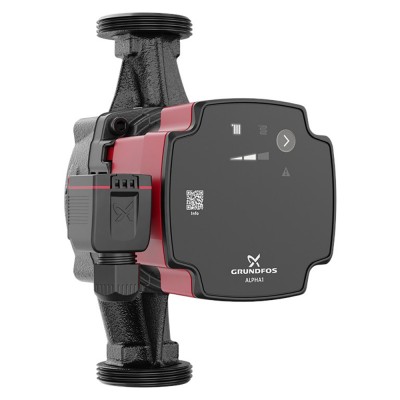

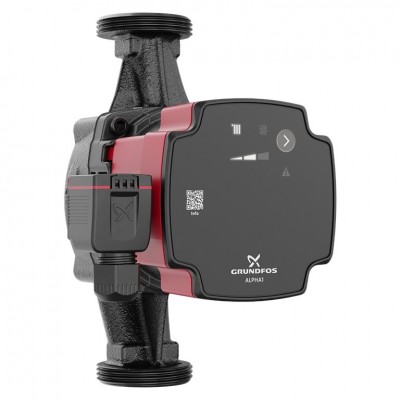
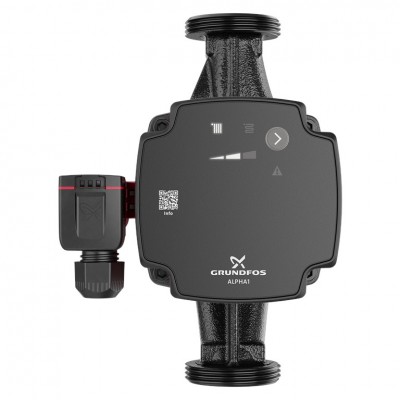
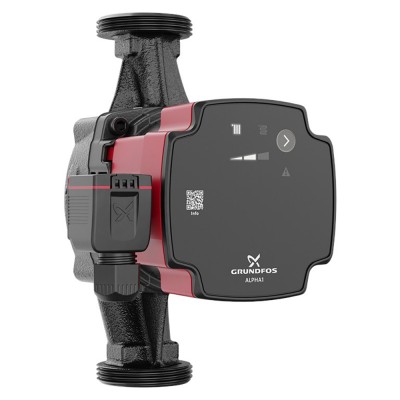
-1000x100032-400x400.jpg "Circulation pump Grundfos ALPHA1 32-60 180, head 3.06 m, flow 2.28 m³/h, power 45kW")
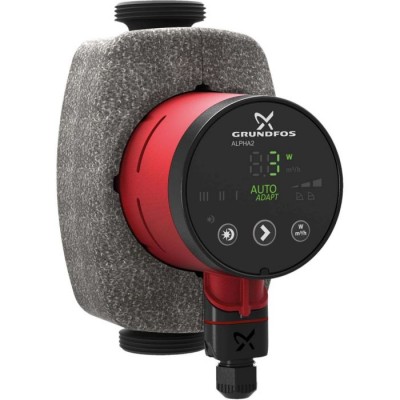


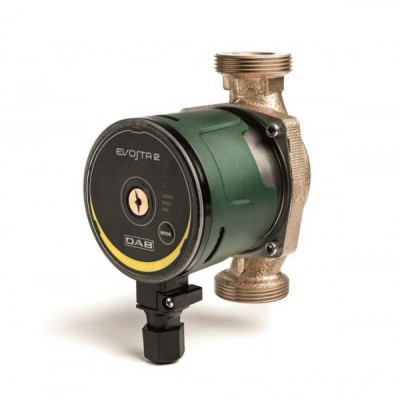
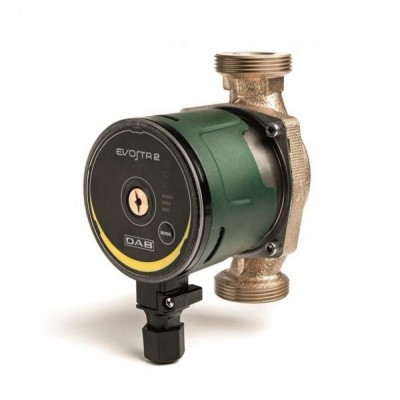
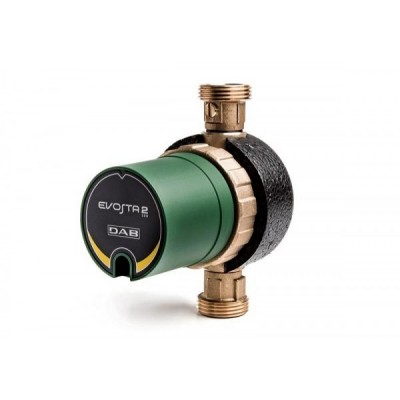
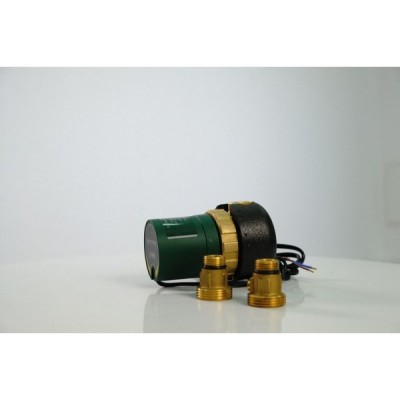
-M230-50-60-400x400.jpg "Circulation pump for heating systems DAB EVOSTA3 80/180X, M230/50-60, head 8 m, flow 4.3 m³/h, power 55 W")
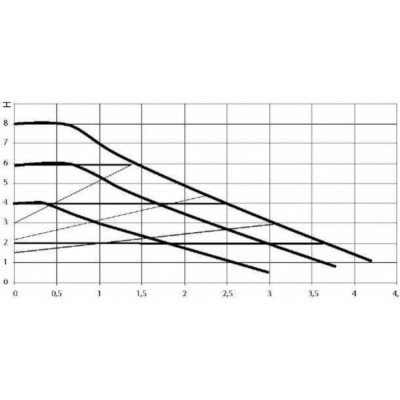
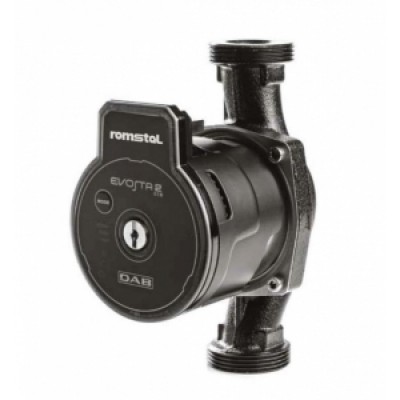
-M230-50-60-400x400.jpeg "Circulation pump for solar panels DAB EVOSTA2 20-75/130 SOL (1\") M230/50-60, head 7.3 m, flow 4 m³/h, power 47 W")
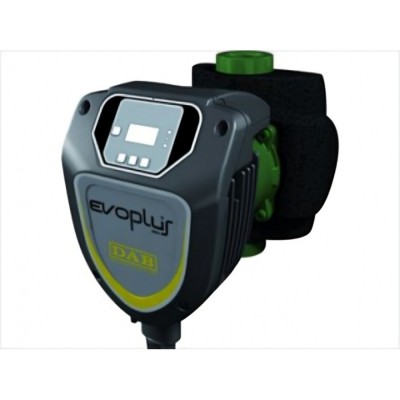
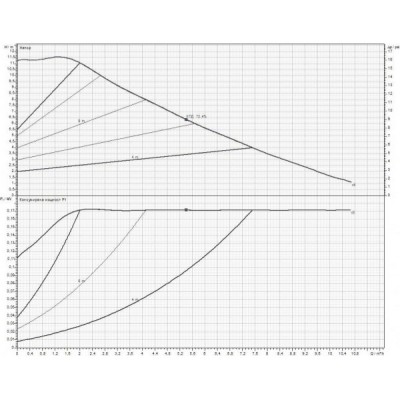
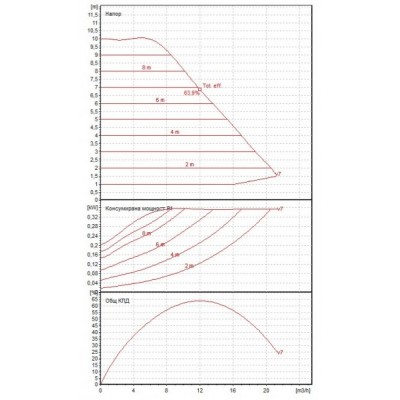
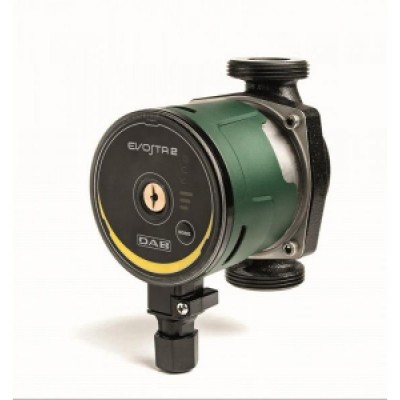
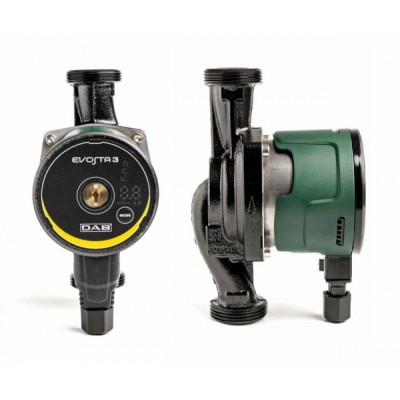
-M230-50-60-image-2-400x400.jpg "Electronic circulation pump DAB EVOSTA3 60/180X, M230/50-60, head 6 m, flow 3.6 m³/h, power 350 W")
-M230-50-60-image-247-400x400.jpg "Electronic circulation pump for heating systems DAB EVOSTA3 80/180 (1\") M230/50-60, 1 1/2\" G, head 8 m, flow 4.3 m³/h, power 55 W")
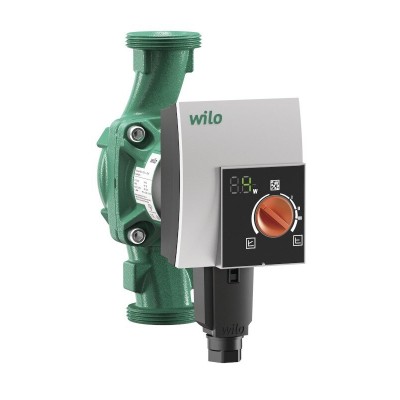
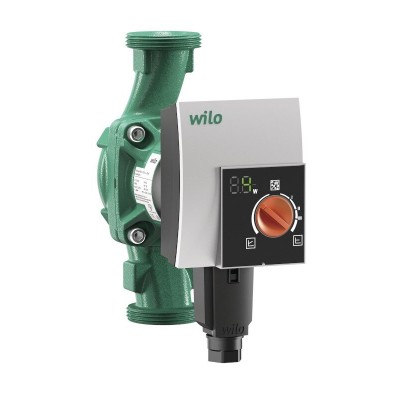
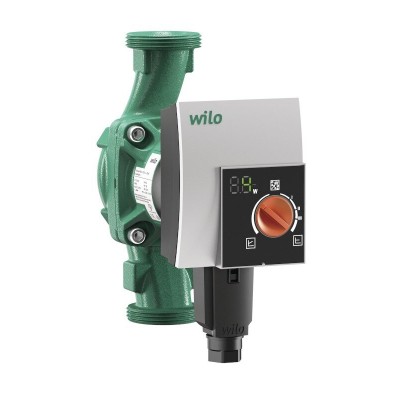
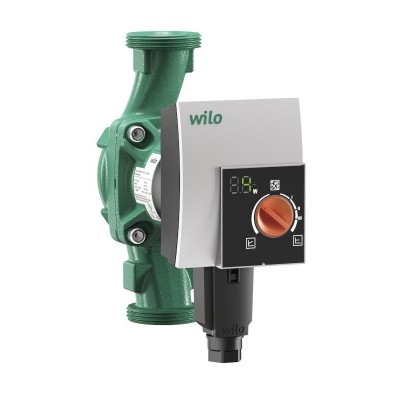




Circulation pumps and pump groups ensure continuous circulation of the water in the system, thereby improving thermal efficiency and comfort in your home.
In the online store BalkanEnergy.NET you will find different types of circulation pumps and kits for open and closed central systems. The choice of the right type depends on the specific needs of your heating system and home.
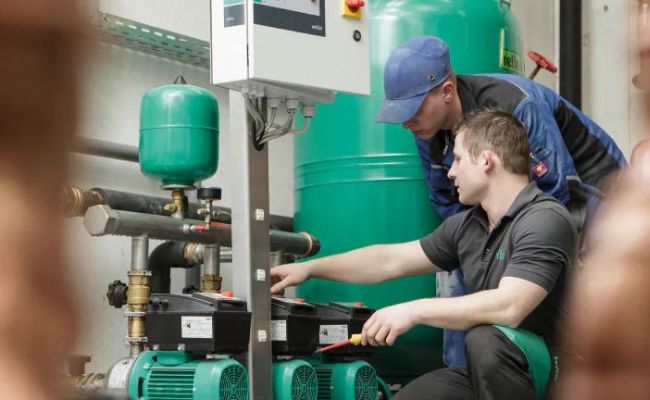
Applications of the circulation pump
Circulation pumps have a wide range of applications in various heating, cooling, and water supply systems. Here are some of the main areas of use:
-
Heating systems – used in central heating systems to ensure even circulation of hot water in radiators and underfloor heating. They maintain a comfortable temperature in the rooms and improve the energy efficiency of the system.
-
Cooling systems – they support the circulation of coolant, which absorbs heat and carries it outside the building. This application is typical for air-conditioning and cooling systems.
-
Solar systems – they assist in transporting the sun-heated fluid from the solar panels to the heat accumulator or heating system.
-
Geothermal systems – they ensure circulation of the heat carrier between the geothermal source and the building’s heating or cooling system.
-
Domestic hot water systems – they provide constant availability of hot water in the pipelines, reducing waiting time for hot water when the tap is opened
Factors when choosing a suitable circulation pump
Choosing the right circulation pump depends on numerous factors that must be considered to ensure efficient and reliable system performance. Here are the main criteria:
- Flow rate and pressure – the key factor is the required flow rate (the volume of fluid that must pass through the system per unit of time) and the pressure the pump must maintain. This depends on the size and configuration of the system.
- Fluid temperature – the operating temperature of the fluid is also important, as different models of pumps have different temperature resistance levels.
- Energy efficiency – choosing an energy-efficient pump can significantly reduce energy costs. Pumps with class A or B usually offer better energy efficiency.
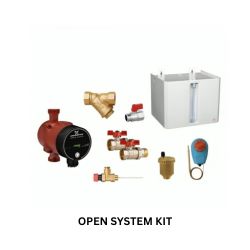
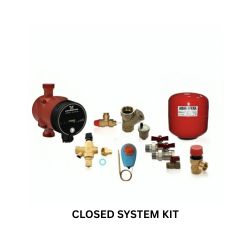
- Type of system (open or closed) – depending on whether the system is open or closed, the appropriate pump model should be selected to match the specific working conditions.
- System size and configuration – the size and complexity of the system also matter. Larger or more complex systems may require more powerful pumps or even multiple pumps.
- Noise and vibrations – for some applications it is important for the pump to operate quietly and without vibration, especially if it is located in living areas or near occupied zones.
- Reliability and maintenance – choosing a pump from a reputable manufacturer with a good warranty and easy access to spare parts and service is also an important factor for long-term reliability.
Brands offered by Balkan Energy
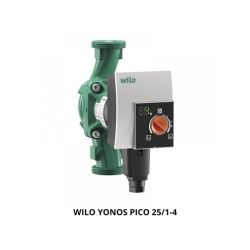
Wilo Group is one of the world’s leading suppliers of premium pumps and pumping systems for building services, water management, and industrial sectors.
The company operates in five market segments: residential building services, commercial building services, OEM (original equipment manufacturers), water management, and industry.
Grundfos is the largest pump manufacturer in the world, with more than 19,000 employees globally. Its annual production equals more than 16 million pump units, including circulation pumps (UP), submersible pumps (SP), and centrifugal pumps (CR). The company also produces electric motors for the pumps as well as motors for separate commercial use.
Frequently Asked Questions about circulation pumps
-
What is the difference between an open and a closed system?
An open system allows water to circulate in contact with air, while a closed system is fully sealed. -
What is the lifespan of a circulation pump?
High-quality circulation pumps can have a lifespan of over 10 years with proper maintenance. -
What is required for installing a circulation pump?
Installation requires specialized knowledge and skills, so we recommend contacting a professional technician. -
How are circulation pumps maintained?
Regular maintenance includes cleaning filters, checking pressure, and inspecting the pump for wear. -
What are the main issues with circulation pumps?
Main issues may include noise, reduced efficiency, and leaks, usually due to wear or improper installation. -
How can I improve the energy efficiency of my heating system?
Using high-efficiency circulation pumps and performing regular maintenance can significantly improve energy efficiency. -
Can I use one pump for the entire heating system?
Depending on the system’s size and design, you may need more than one pump. -
What does pump energy efficiency mean?
Energy efficiency refers to the amount of energy a pump uses to provide the required water flow. -
How do I know if the pump is working correctly?
Regular inspection and monitoring of the pump’s operation can help identify issues early. -
What is necessary for the pump to operate properly during winter?
Ensure the pump is properly insulated and protected from freezing. -
How is the required pump capacity calculated?
Capacity is calculated based on the system volume and heating power requirements.