


-150x150h.jpg)
What is a rainwater tank and how does it work ?
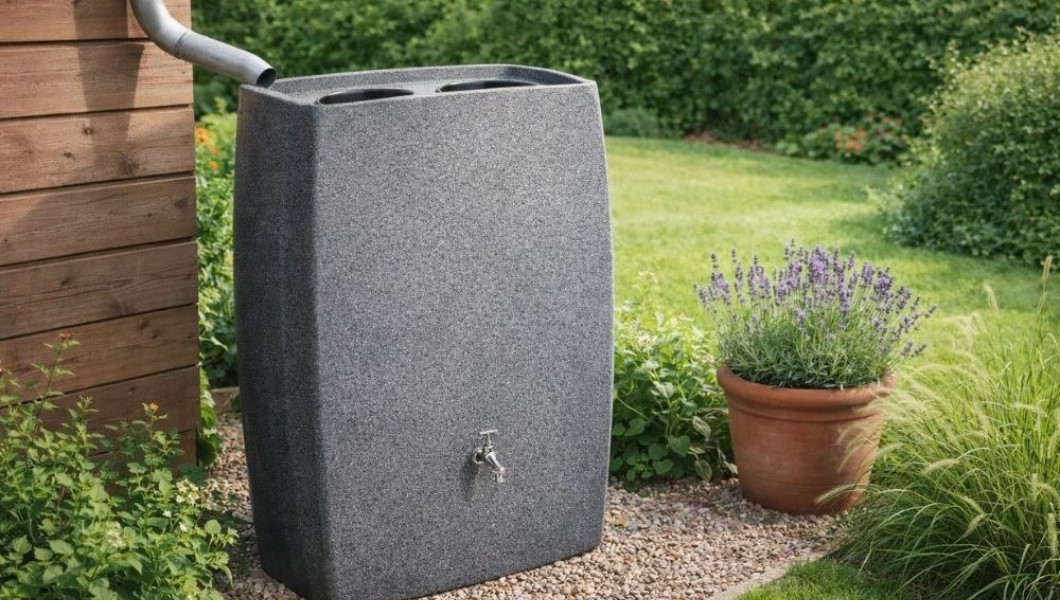
What Is a Rainwater Tank and How It Works
Water is one of the most valuable natural resources, and collecting rainwater is a smart, sustainable, and cost-effective solution for homes, businesses, and industry. More and more homeowners, farmers, and commercial property owners are looking for ways to reduce their water costs and become more environmentally responsible. This is where rainwater tanks come into play.
They allow efficient use of natural rainfall that would otherwise drain directly into the sewage system. With a properly designed system, rainwater can be used year-round for various household, agricultural, and technical purposes. This not only leads to significant financial savings but also reduces the load on water supply infrastructure. In the context of climate change and increasingly frequent drought periods, rainwater tanks are becoming a strategic and long-term solution.
What Is a Rainwater Tank
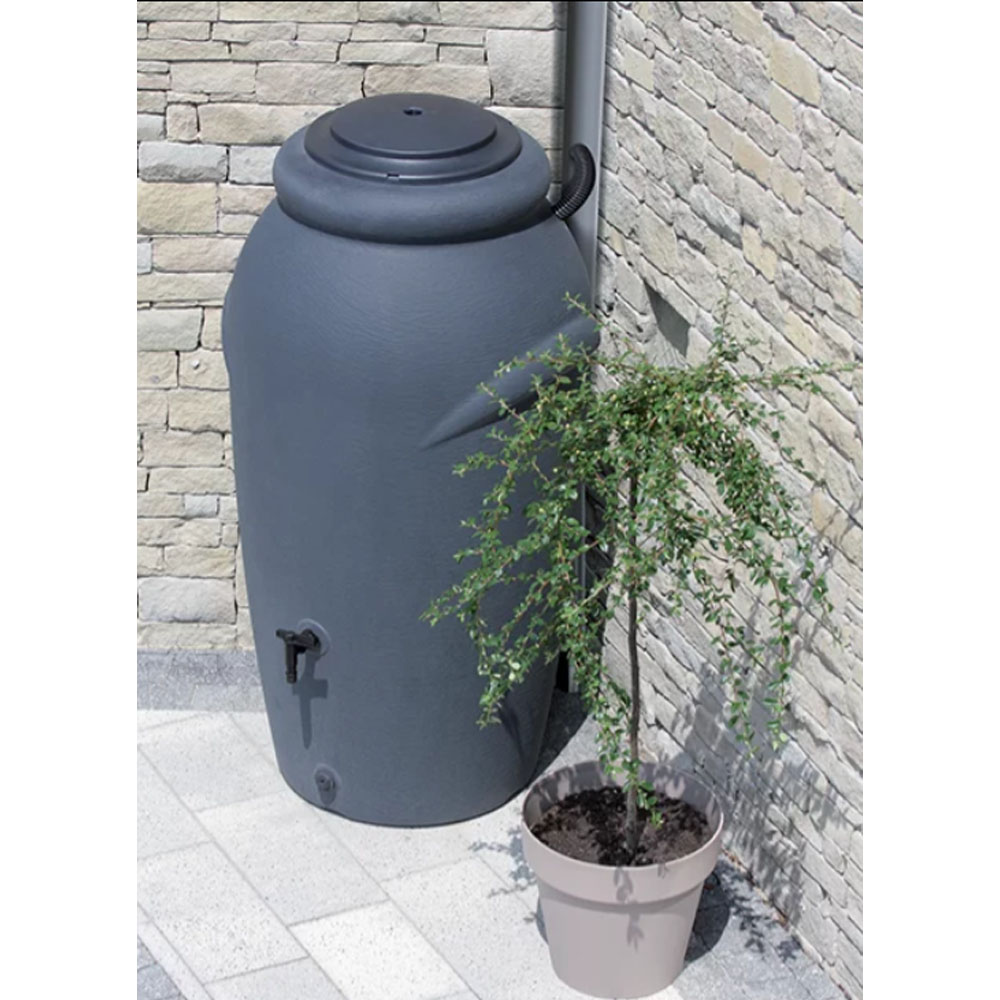
A rainwater tank (also called a rainwater harvesting tank or cistern) is a specialized container designed to collect, store, and reuse rainwater that flows from the building roof through gutters and downpipes.
This system allows the reuse of natural water for various domestic and technical needs, reducing dependence on the public water supply and optimizing costs. Rainwater tanks can be integrated into single-family homes, apartment buildings, industrial facilities, and agricultural farms. Depending on capacity and installation method, the system can cover both seasonal and year-round water needs. Using rainwater reduces the load on sewage systems, especially during heavy rainfall. In addition to economic benefits, these systems also play an important ecological role by supporting sustainable water resource management. Modern tanks are designed to be durable, easy to maintain, and completely safe to operate. With proper sizing and installation, the system operates fully automatically and requires minimal user intervention.
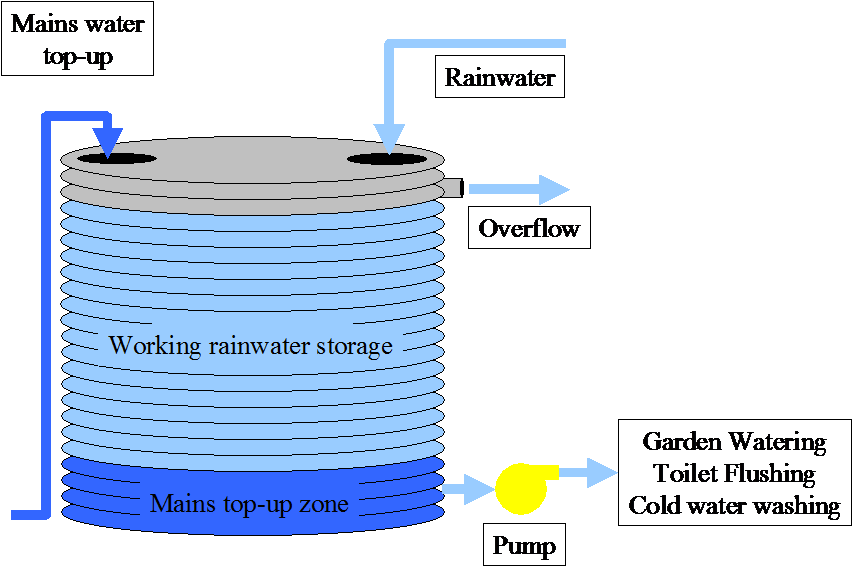
How Rainwater Collection Systems Work
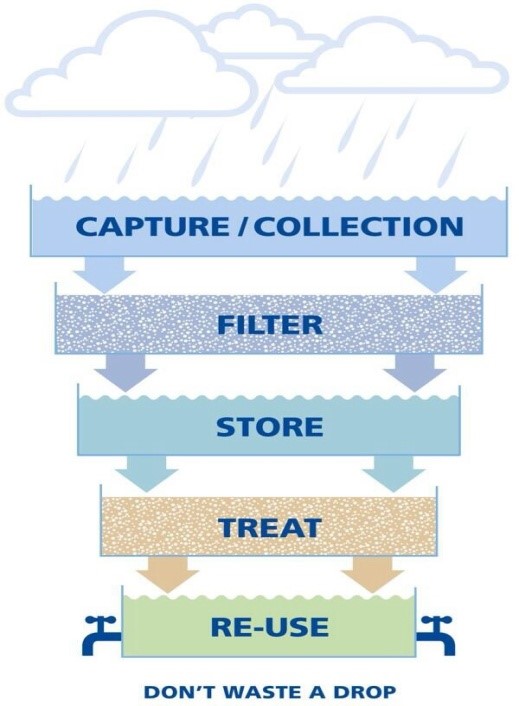
The operating principle is simple but effective. The system usually consists of several main components:
1) Roof and Gutters
The roof acts as a collection surface. Rainwater flows down and is directed to the gutters.
2) Downpipes
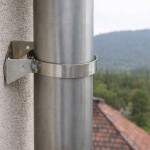
Downpipes direct water to the tank. Special filters or diverters are often used to separate the first contaminated liters (the so-called “first flush” system).
3) Filtration System
Before entering the tank, water passes through a filter that retains leaves, dust, insects, and other debris.
4) Tank (Cistern)
This is the main storage container. It can be:
- above-ground (plastic, metal, decorative);
- underground (concrete or polyethylene);
- modular (several tanks connected for larger capacity).
5) Pump and Distribution System
More complex systems use a pump to supply collected water to irrigation systems, toilets, washing machines, or other consumers.

What Rainwater Can Be Used For
Collected rainwater can be used for:
- garden and lawn irrigation;
- washing cars and yards;
- supplying toilet flushing systems;
- technical industrial processes;
- firefighting systems;
- agricultural purposes.
It is important to note that rainwater is not potable without additional purification.
Advantages of Rainwater Tanks
✔ Reduced Water Costs
Using free natural water can reduce water bills by up to 30–60%, depending on consumption.
✔ Environmental Sustainability
Rainwater collection reduces pressure on natural water resources and sewage systems.
✔ Independence from Water Supply
During water restrictions, outages, or drought, this provides a reliable backup water source.
✔ Increased Property Value
Eco-friendly solutions increase the attractiveness and market value of buildings.

How to Choose the Right Rainwater Tank
When selecting a tank, several key factors should be considered:
- capacity (liters or cubic meters);
- material (plastic, concrete, metal);
- above-ground or underground installation;
- available space;
- budget;
- purpose of use (domestic, industrial, agricultural).
Professional system design guarantees maximum efficiency and long service life.
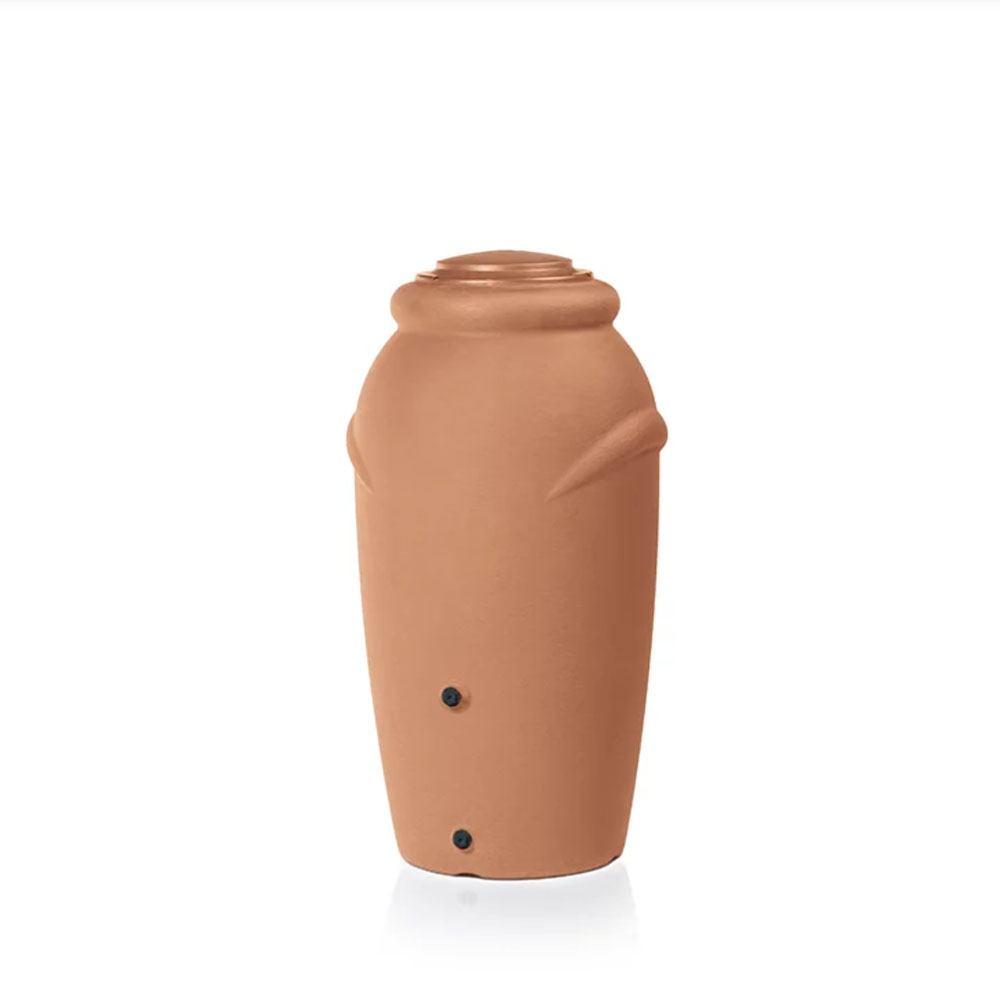
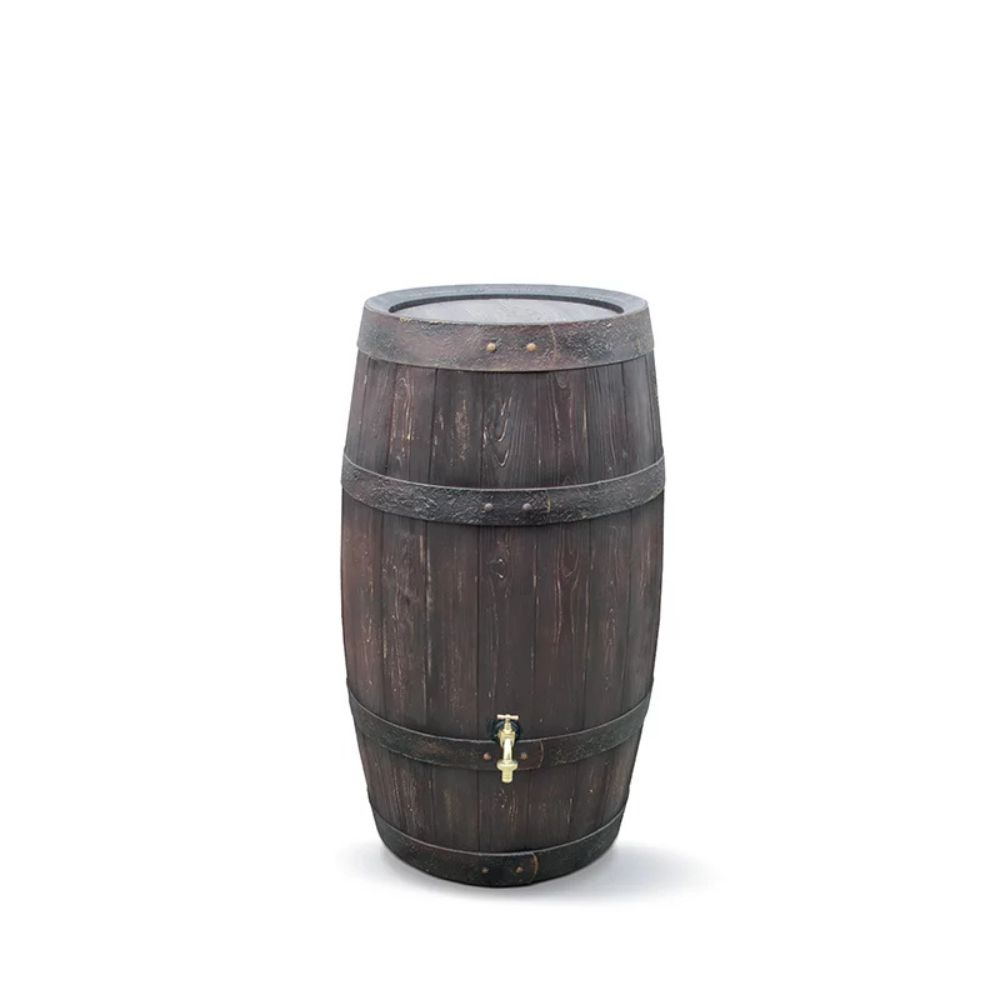
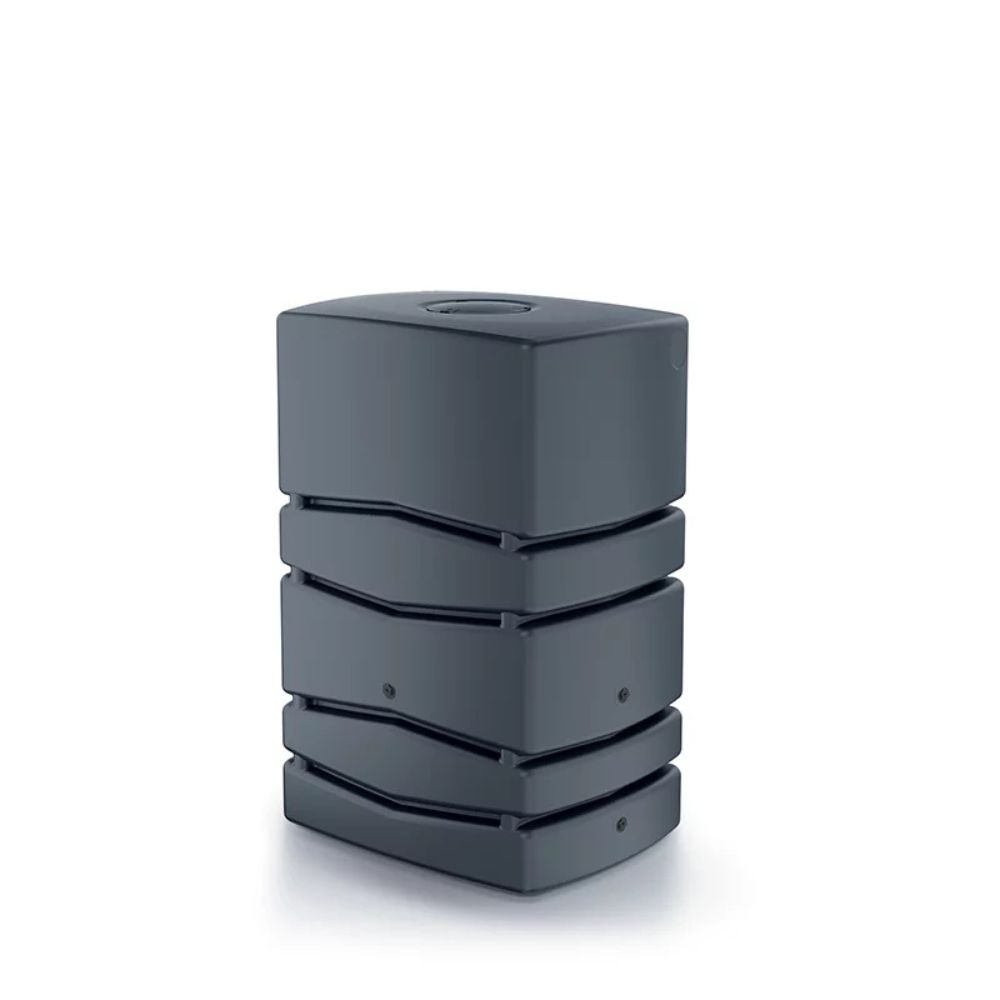
Types of Rainwater Tanks
Above-Ground Tanks
Above-ground tanks are the easiest to install and maintain. They are placed directly next to the building and connected to the downpipe system.
Advantages: low cost, easy installation, visual water level control.
Disadvantages: occupy space and may be affected by temperature changes.
Underground Tanks
Underground tanks are installed below ground and are preferred for larger volumes and professional systems.
Advantages: do not occupy space, protected from UV rays and temperature fluctuations, large capacity.
Disadvantages: higher cost and excavation work required.
Modular Systems
Modular tanks allow capacity expansion by connecting several modules. They are suitable for industrial and commercial facilities.
How to Calculate the Required Tank Capacity
Choosing the correct capacity is key to system efficiency. The volume depends on:
- roof area (m²);
- average annual rainfall (mm);
- water demand (irrigation, household use, industry);
- available space.
Example formula:
Roof area × annual rainfall × collection coefficient (0.8) = potential annual water volume.
Filtration and Rainwater Quality
Additional systems can be used to improve water quality:
- mechanical filters (sand, mesh);
- carbon filters;
- UV sterilization;
- reverse osmosis systems (for drinking water).
These solutions allow rainwater to be used even for domestic purposes when properly treated.
Economic Benefits and Return on Investment
Installing a rainwater tank is an investment with real payback potential. Depending on capacity and consumption, the system can pay for itself within 2–7 years.
Additional financial benefits include:
- lower water bills;
- reduced irrigation costs;
- opportunities for subsidies and environmental programs.
Frequently Asked Questions (FAQ)
Is a rainwater tank suitable for every roof?
Yes, almost any roof can be used for rainwater collection, but metal and tiled roofs are the most efficient.
Can rainwater be used for drinking?
Yes, but only after additional filtration and disinfection.
How long does a rainwater tank last?
High-quality polyethylene and concrete tanks have a service life of over 30–50 years.
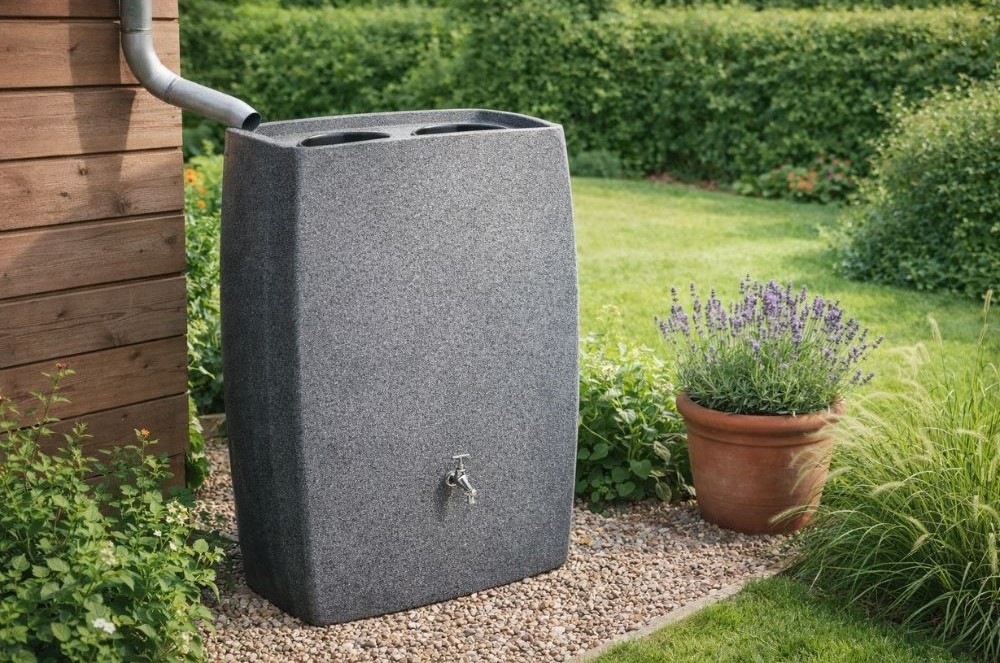
Additional Tips When Buying a Rainwater Tank
Choosing the right rainwater tank is essential for long-term system efficiency. First, determine your actual water needs – whether you will use it mainly for irrigation, domestic needs, or industrial processes. The tank capacity should be aligned with both roof area and average annual rainfall in your region.
Pay attention to the tank material – high-quality polyethylene is resistant to UV rays and corrosion, while concrete tanks are suitable for large volumes and underground installation. Check whether the tank allows installation of filters, pumps, and overflow systems. It is also recommended to ensure that the product meets European quality and safety standards. Investing in a certified and proven manufacturer guarantees longer service life and lower maintenance costs.
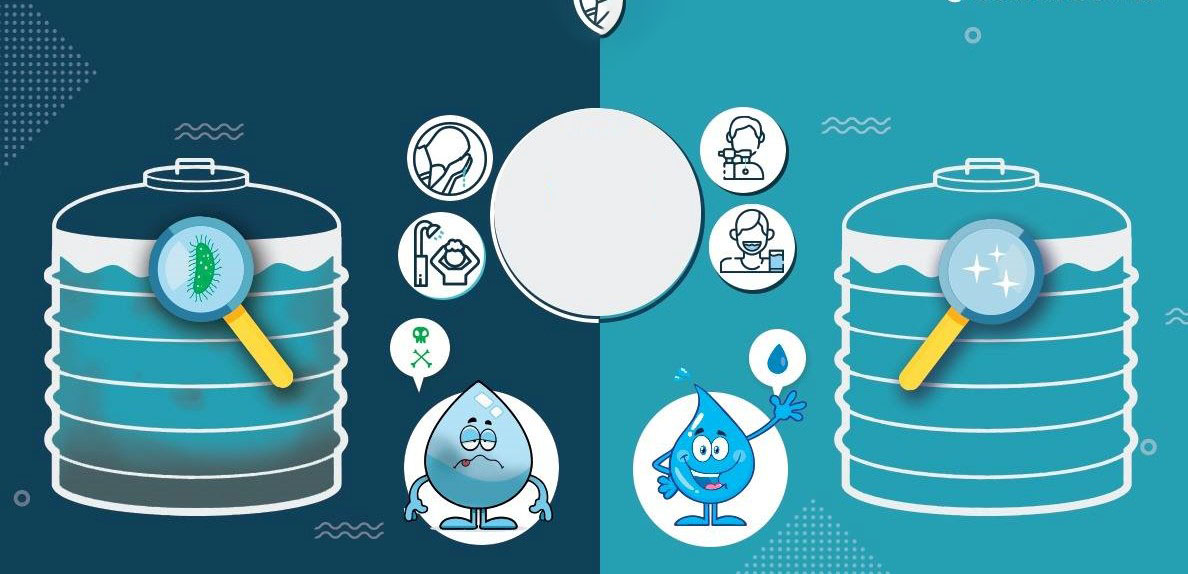
Maintenance and Cleaning of Rainwater Tanks
Regular maintenance of rainwater tanks is essential for maintaining water quality and reliable system operation. Filters and gutters should be cleaned at least twice a year, especially after autumn when leaves and organic debris accumulate.
The tank itself should be periodically checked for sediment accumulation at the bottom. Depending on usage, full cleaning is recommended every 2–5 years. For underground tanks, it is important to monitor the condition of the lid and seals to prevent contamination. A well-maintained system ensures longer equipment life, better water quality, and trouble-free long-term operation.
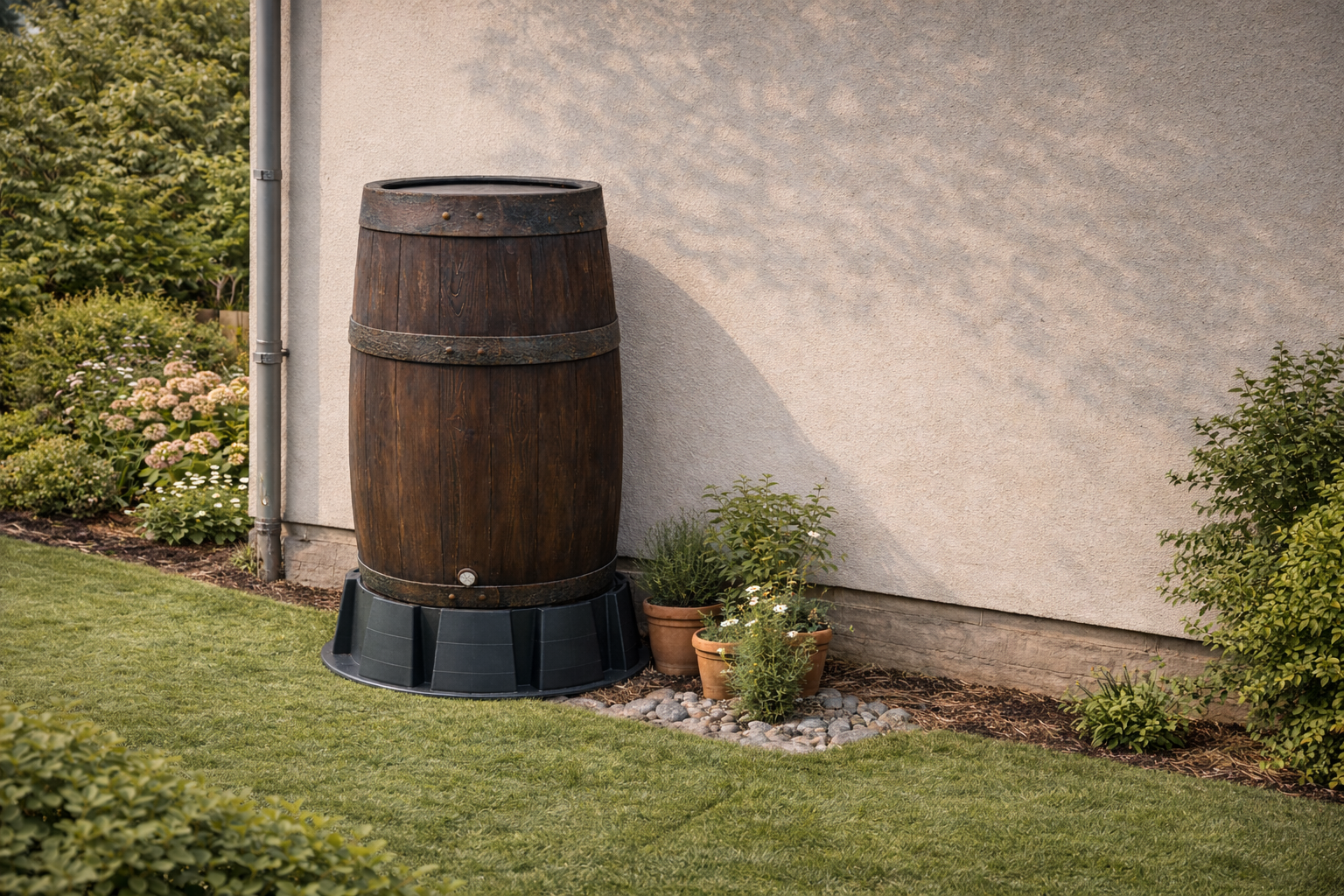
A rainwater tank is a practical, sustainable, and cost-effective solution for every modern home or business. With a properly designed system, you can not only reduce your expenses but also contribute to environmental protection.
If you are looking for a long-term investment with real return – a rainwater harvesting system is one of the smartest solutions today.
Explore our range of high-quality:
- Drinking Water Tanks
- Rainwater Tanks
- Underground Water Tanks
- Water Pumps
- Drip Irrigation
- Irrigation Systems