

-150x150h.jpg)
Wood boilers - economical, reliable, and traditional heating for homes and businesses
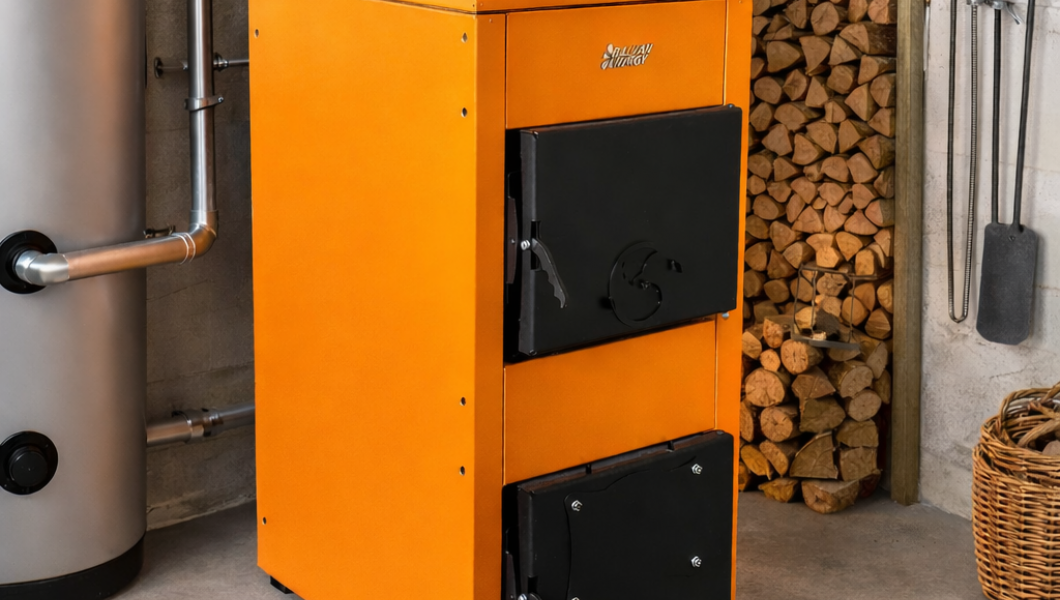
Wood Boilers – economical, reliable, and traditional heating for homes and businesses
Heating with wood remains one of the most stable and economically justified solutions for households. In times of fluctuating energy prices and market uncertainty, many homeowners and owners of larger properties seek a reliable system that provides high output, predictable costs, and long-term operation. This is exactly why Wood Boilers continue to hold an important place among preferred heating solutions.
This type of heating is characterized by high efficiency when the power output is correctly selected and the installation is properly designed. An additional advantage is the availability of firewood in many regions, which makes operating costs easier to plan. With good maintenance and proper use, a wood boiler can provide stable heating for many years without the need for complex automation or expensive infrastructure.
.png)
What is a wood boiler
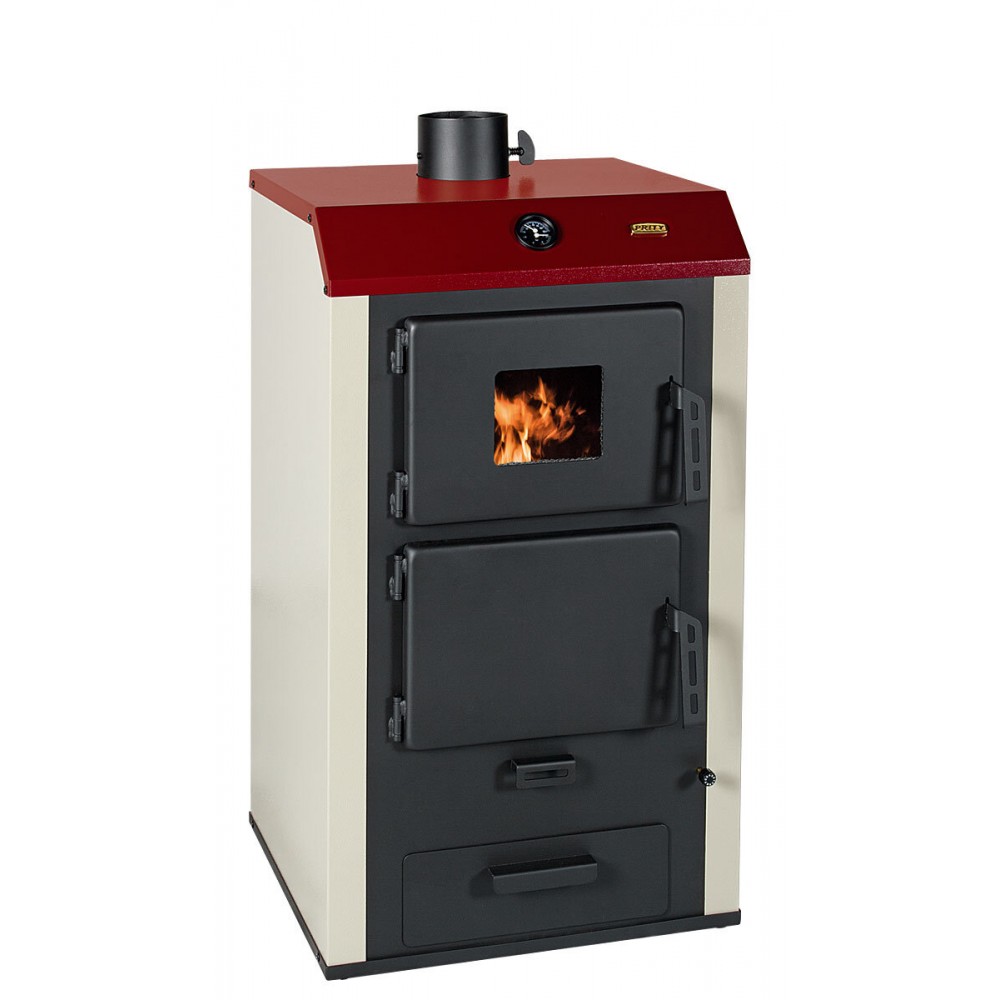
A wood boiler is a heating appliance for a central heating system that uses solid fuel (firewood) to heat water. The heated water circulates through a pipe system to radiators or underfloor heating, providing an even temperature throughout the building.
Unlike standard stoves and fireplaces, the boiler is designed to heat an entire house or facility, not just a single room. It operates as the main heat source and can be combined with a buffer tank for higher efficiency and less frequent loading. Depending on the model and construction, boilers can offer different levels of efficiency and combustion control. Modern solutions are designed to optimize wood combustion and reduce heat losses, making them suitable both for new buildings and for upgrading existing heating installations.
How a wood boiler works
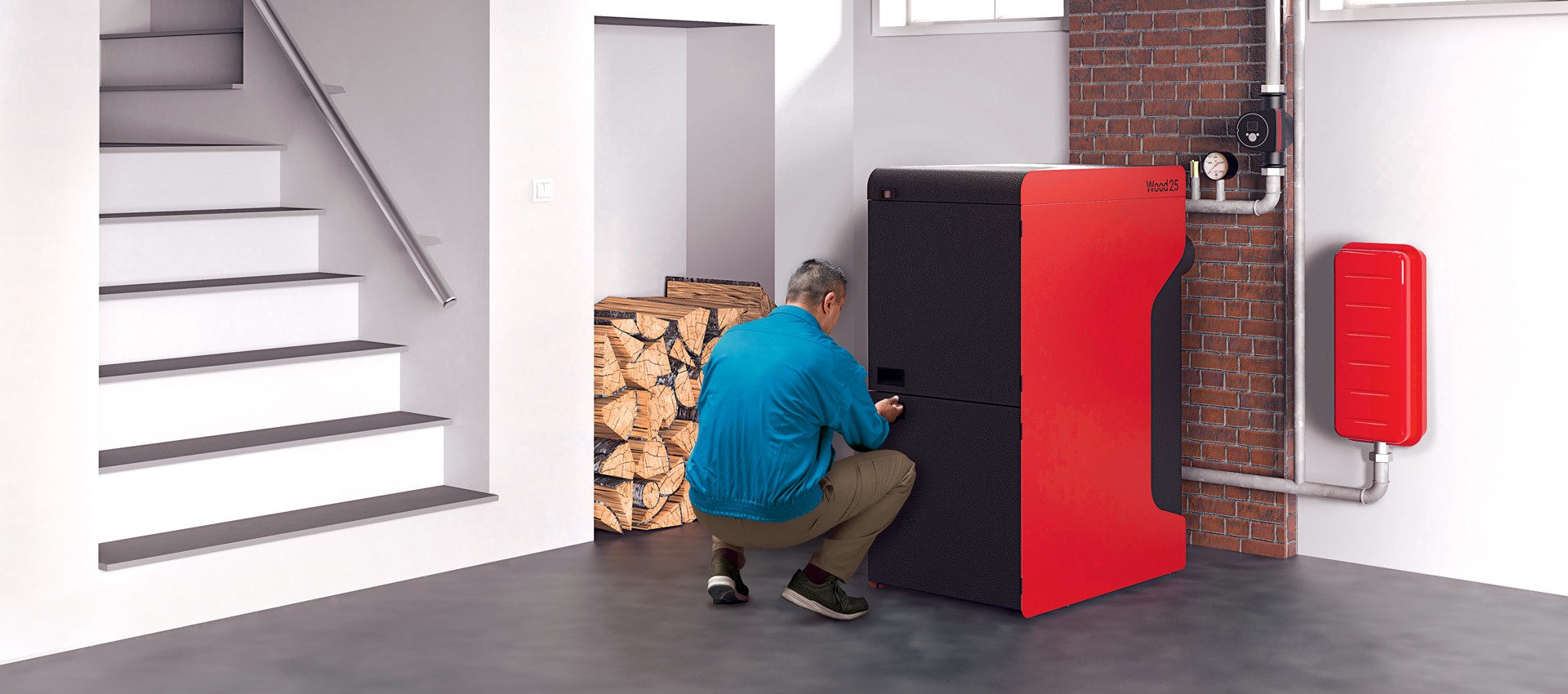
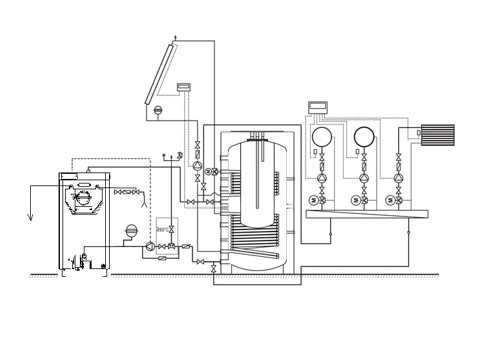
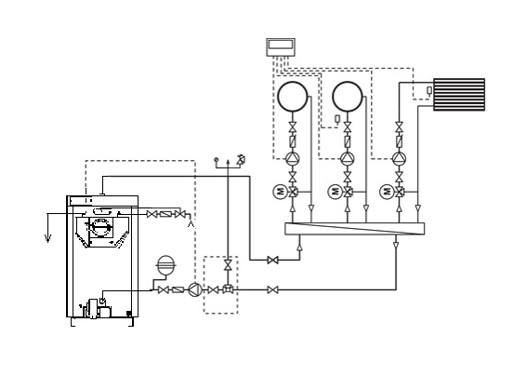
The operating process of wood boilers is based on burning solid fuel and transferring the generated heat to a water jacket (heat exchanger). After the firewood is ignited, heat is produced and used to heat the water inside the boiler. A circulation pump distributes the hot water to the heating system, after which the cooled water returns to the boiler for reheating.
Modern models can be divided into several main types:
- Standard boilers with natural draft
- Boilers with a fan for forced draft
- Pyrolysis (gasification) boilers with higher efficiency
Pyrolysis boilers ensure more complete combustion of wood gases, which leads to lower fuel consumption and reduced emissions.
Suitable applications for wood boilers
Wood boilers are suitable for properties equipped with a water-based heating system. They are most commonly used in:
- Single-family houses
- Villas and rural properties
- Small apartment buildings
- Workshops and warehouses
- Industrial halls
- Public buildings in non-gasified areas
They are especially efficient in regions where firewood is easily accessible and cost-effective.
How to choose the right power output
Selecting the correct power output is one of the most important factors when purchasing a boiler. Insufficient power will not provide adequate comfort, while excessive power will lead to inefficient operation and unnecessary fuel consumption.
The following factors are taken into account when determining the required output:
- Total floor area
- Ceiling height
- Thermal insulation
- Type of windows and doors
- Climate zone
As a general guideline, 1 kW of power can heat approximately 10 m² with good insulation and standard ceiling height. For example, for a house of 150 m², a boiler with a power output between 15 and 20 kW is usually recommended.
Main advantages of wood boilers
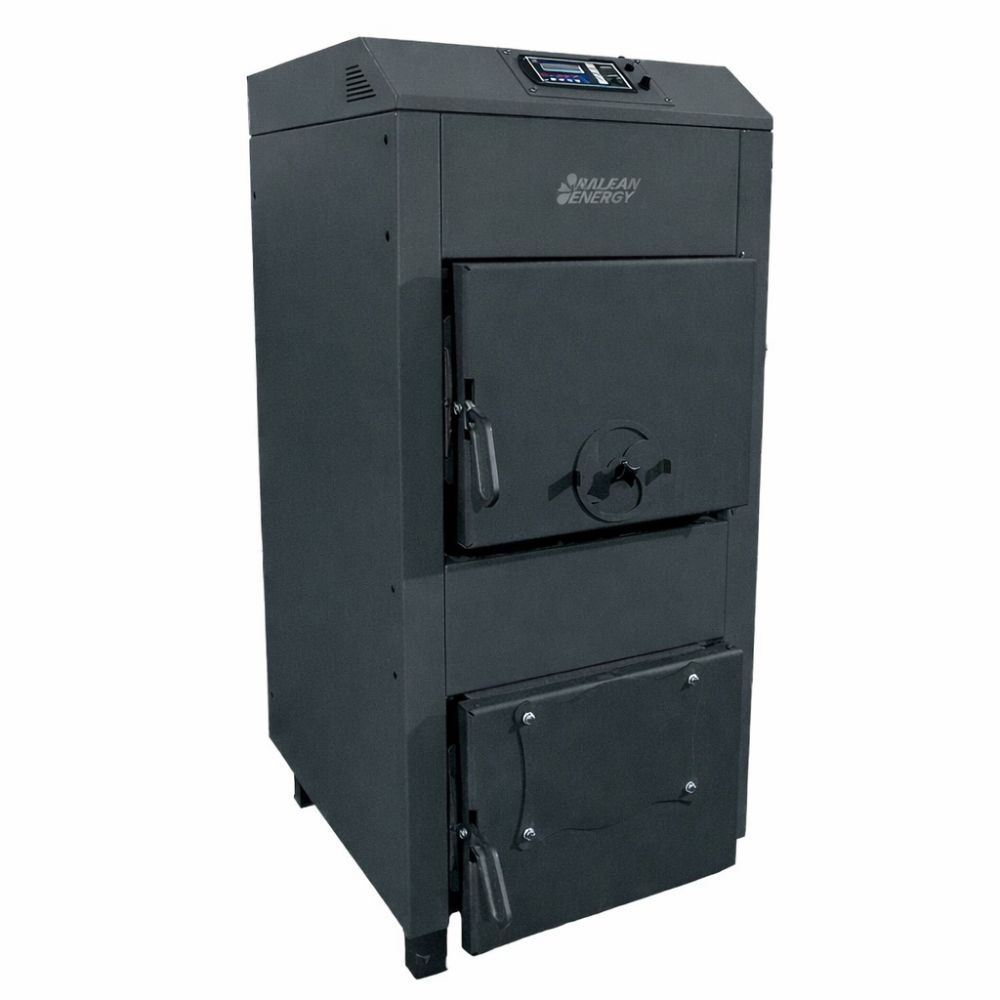
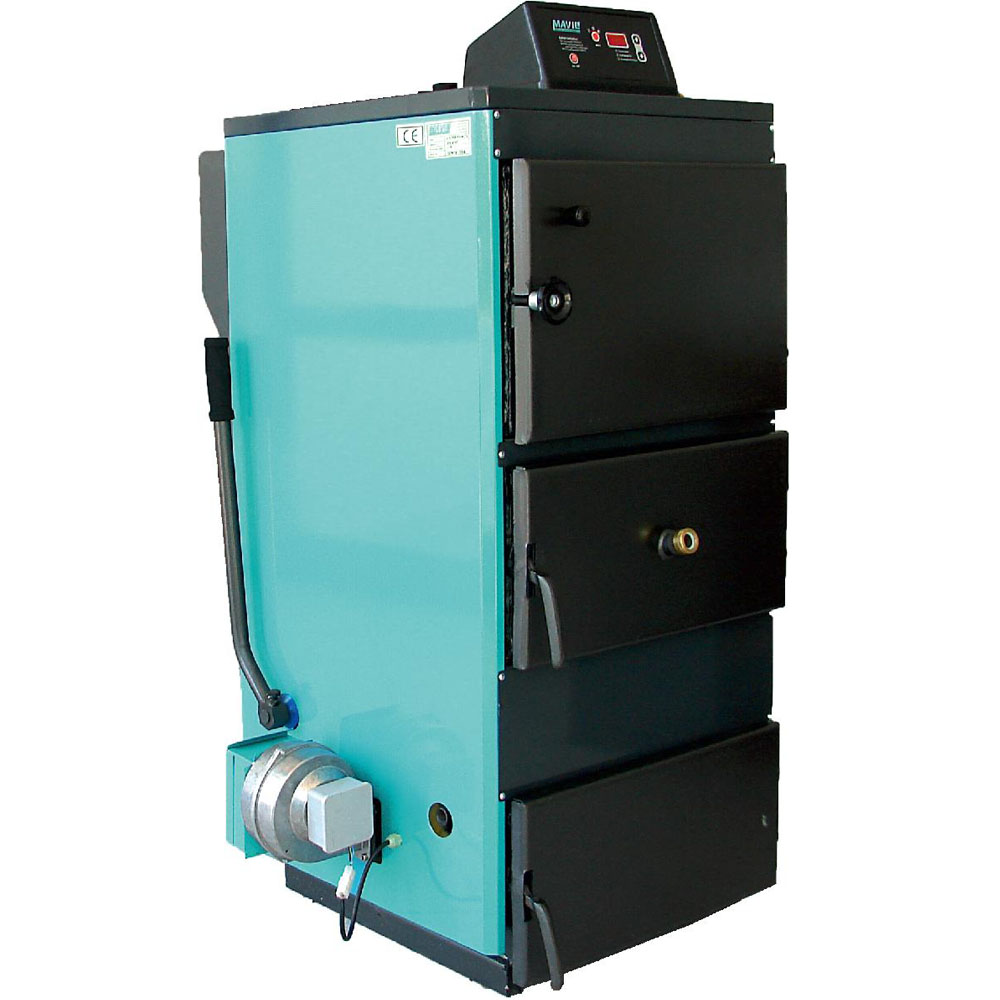
Wood boilers are preferred due to several key advantages. They provide economical heating and a long service life, especially when made of high-quality steel.
Their main benefits include:
- Low fuel cost
- High heating capacity
- Suitable for large areas
- Relative independence from energy suppliers
- Lower initial investment compared to automated systems such as Pellet Boilers or complete Pellet Sets
Disadvantages to consider
Despite their advantages, wood boilers require more user involvement. They are not fully automated and need regular maintenance.
The main disadvantages include:
- Manual fuel loading
- Need for storage space for firewood
- Periodic ash cleaning
- Lower comfort level compared to pellet-based systems, such as Pellet Stoves With Back Boiler
Difference between wood boilers and pellet boilers
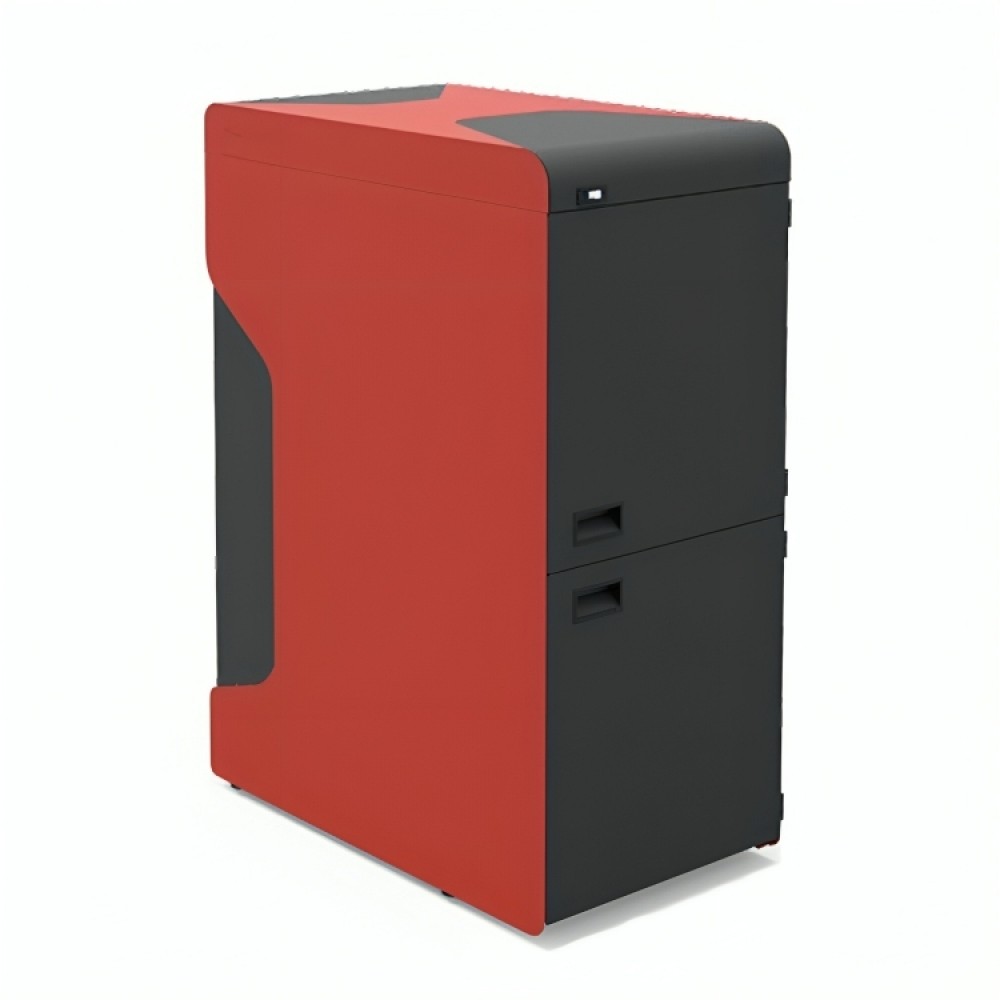
Pellet Boilers are a modern alternative to traditional Wood Boiler systems. The main difference lies in the level of automation and the method of fuel feeding.
A wood boiler is loaded manually and requires regular monitoring. The initial investment is usually lower, and the fuel is often cheaper and more widely available.
A pellet boiler features automatic fuel feeding, electronic control, and programmable operating modes. This provides higher comfort and more precise temperature control, but the initial investment is higher.
The choice between the two options depends on the budget, the desired level of automation, and fuel availability in the specific region.
Difference between a wood boiler and a pellet stoves with back boiler
A pellet stoves with back boiler can also be connected to a heating system, but it usually has lower output and mainly combines heating with a decorative function.
A wood boiler is designed primarily for continuous and efficient heating of an entire building, offering higher power and better efficiency during long-term operation.
What to check before purchase
Before making a final decision, it is important to pay attention to the technical specifications and build quality.
The main parameters to consider include:
- Nominal power output (kW)
- Efficiency (thermal efficiency)
- Steel thickness
- Type of combustion chamber
- Presence of a fan
- Compatibility with a buffer tank
- Warranty terms and service support
Which firewood is most suitable
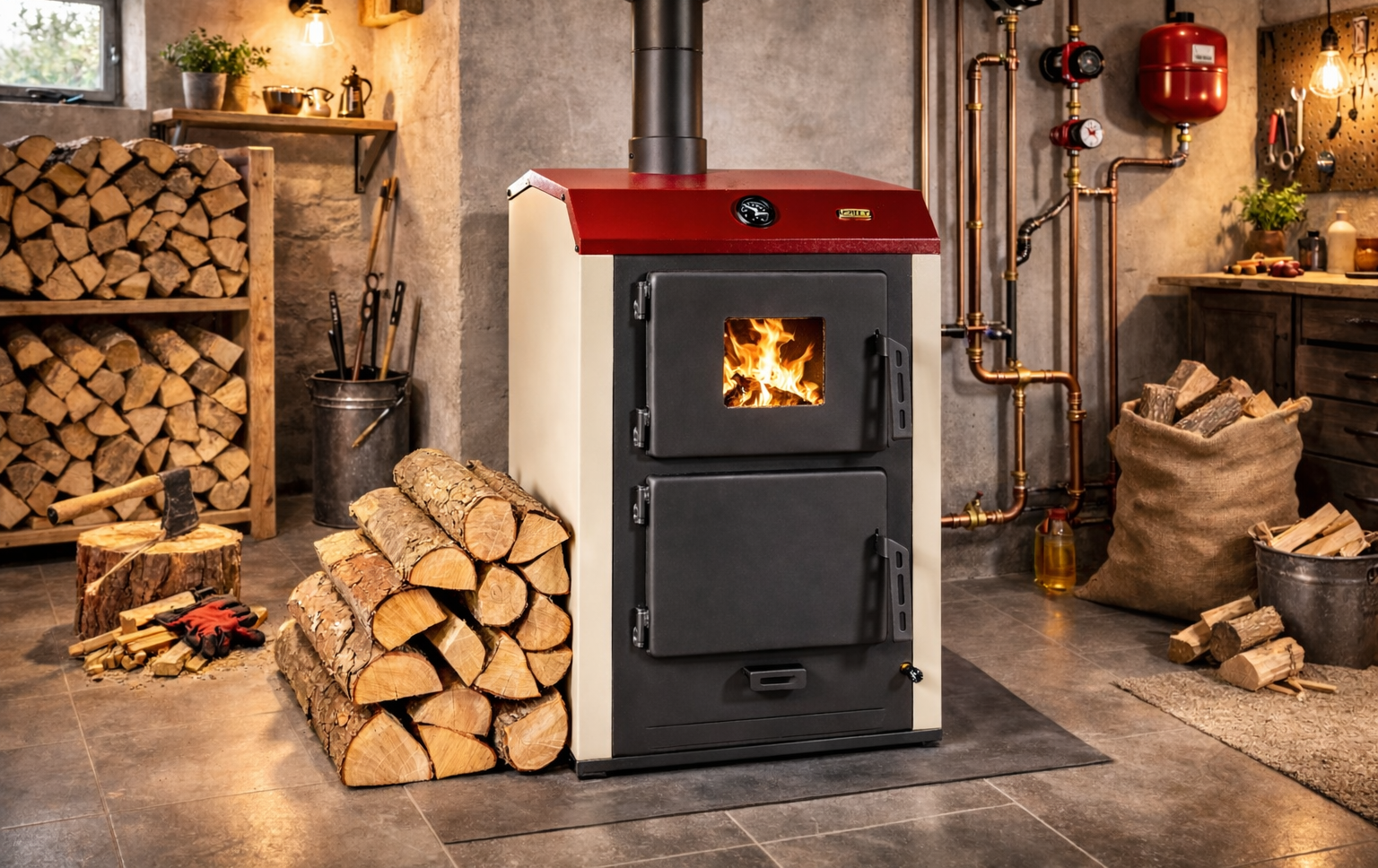
The efficiency of a wood boiler depends not only on the model but also on the quality of the fuel used. The best results are achieved with dry, hard wood species such as:
- Oak
- Beech
- Hornbeam
The moisture content of the firewood should be below 20%, as wet wood reduces efficiency and increases soot buildup.
Frequently asked questions (FAQ)
How often does a wood boiler need to be loaded?
Typically, loading is required every 3 to 6 hours, depending on the boiler’s power, outdoor temperatures, and the building’s insulation.
Can a wood boiler operate without electricity?
Some models with natural circulation can operate without electricity, but most systems use a circulation pump and require power supply.
Is a special chimney required?
Yes, a properly sized chimney is essential for good draft and safe system operation.
What is the lifespan of a boiler?
With proper maintenance, a boiler can operate between 10 and 20 years.
How much firewood is needed for one heating season?
On average, a house of 120–150 m² requires between 8 and 15 cubic meters of firewood, depending on insulation quality and climate conditions.
Wood boilers remain a practical and economical heating solution, especially in areas without gas infrastructure. They provide high output and relatively low operating costs but require more user involvement.
The right choice depends on the size of the property, the available budget, and the desired comfort level. When properly selected and professionally installed, a wood boiler can provide reliable heating for many years.
See also: